



My Time Tested Method for How To Cook Dried Beans Perfectly Every Time
I’ve cooked a lot of beans over the years, and while there are plenty of opinions about the “right” way to do it, this is the method I swear by.
1. Soaking Matters
The first thing I do is soak the beans. Is it absolutely necessary? Probably not. There are plenty of people who will tell you that you can cook dried beans without it. But after years of experimenting, I find that soaking makes the beans cook faster and, in my opinion, produces better-tasting beans.
If I forget to soak them, I use the quick-soak method: rinse the beans, cover them generously with water, bring them to a boil, turn off the heat and let them sit in the hot water for about an hour.
And there’s another very good reason to soak your beans: you get a chance to inspect them.
2. Always Inspect Your Beans
Recently, I opened a bag of beans that looked a little funny. After soaking them, I scrutinized further. As I agitated the beans, some of the skins dislodged and revealed what looked like mold, along with dry, black, sooty-looking residue that smudged when I rubbed it with my thumb.
That was a good reminder that dried beans are not something you should blindly dump into a pot. If something looks or smells wrong, don’t use them.
3. Keep the Aromatics Simple. P.S. Bay Leaves Are Not Just There For Vibes!
For one pound of dried beans, I keep the aromatics incredibly simple:
- 3 peeled garlic cloves
- 1 bay leaf
- 2 teaspoons Diamond Crystal kosher salt
And yes, I am very particular about the bay leaf.
Over the years, I’ve learned that bay leaves actually matter. If you think they don’t, I suspect you’re using bad bay leaves. Look at them the next time you’re at the market. The cheap ones tend to be gray and dried out. I want bay leaves that are dark green and shiny. Those are the ones that actually have something to contribute.
I add the salt about halfway through cooking. After years of experimentation, two teaspoons of Diamond Crystal kosher salt per pound of beans is my sweet spot.
4. Cook Dried Beans at a Gentle Simmer
Once everything is in the pot, you want a gentle simmer. Think just a little more active than you would use for stock, but definitely not a rolling boil.
One of my favorite little tricks is to tilt the lid so there’s about a 1 to 1 1/2 -inch opening. This lets me see what the beans are doing while keeping the pot covered enough that I’m not losing too much water.
You’re looking for a steady, gentle simmer, not aggressive bubbling. And don’t be afraid to add more water as the beans cook. The beans should stay submerged, and there’s no prize for letting the pot get dangerously dry.
5. How Do You Know When Beans Are Done?
Don’t rely solely on a timer. Beans can vary enormously depending on their age, size and variety.
The real test is to taste one.
I want a bean that is completely tender and creamy inside, without being mushy or falling apart. The skin should be tender too. If there’s any chalkiness or firmness in the center, they need more time.
And this is one of those places where patience really pays off. Perfectly cooked beans are not just “beans that are no longer hard.” They should have a texture that makes you want to eat them straight out of the pot.
My Dried Bean Rules
If you want the short version, these are my rules:
- Soak overnight whenever possible.
- If you forget, quick-soak them in boiling water for about an hour.
- Inspect your beans before and after soaking.
- Keep the aromatics simple: garlic and a good bay leaf.
- Use fresh, fragrant bay leaves—not gray, dusty ones.
- Add 2 teaspoons Diamond Crystal kosher salt per pound, about halfway through cooking.
- Keep the beans at a gentle simmer, never a rolling boil.
- Tilt the lid so you can see what’s happening.
- Add more water whenever necessary.
- Taste the beans to determine when they’re done.
There’s nothing complicated about cooking dried beans. In fact, I think the best beans come from doing less: good beans, fresh water, the correct amount of seasoning and enough time. The goal is simple. Creamy, perfectly seasoned and flavorful beans that taste like you actually cared enough to cook them.
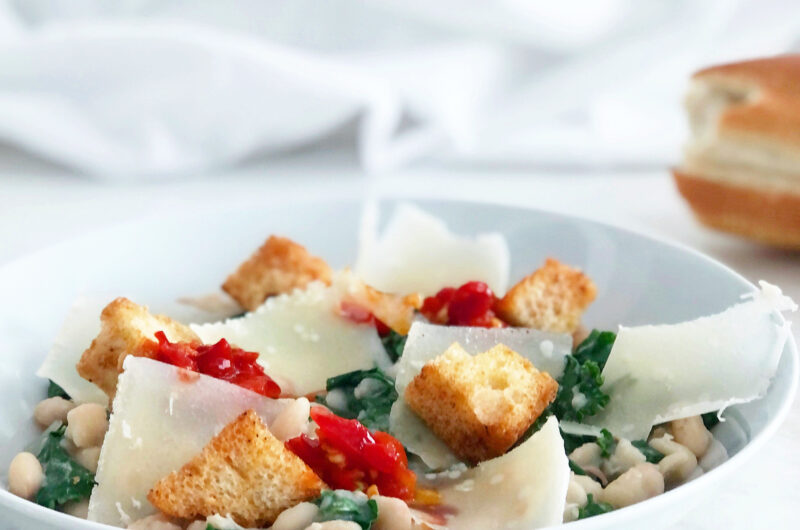
How to Cook Dried Beans
6-8
servingsIngredients
1 lb. dried beans
3-5 cloves garlic, peeled
1 bay leaf
2 tsp Kosher salt (Diamond Crystal)
Optional for serving: extra virgin olive oil, flaky salt, black pepper or my favorite, Calabrian chilis
Directions
- Sort through beans, removing any debris, discolored, or shriveled beans. Rinse beans, put in large bowl, fill with enough water to cover beans by 4-5 inches, and soak overnight. Alternatively, use the quick soak method by boiling water in a kettle (or on stove), then pouring over beans in a pot or heat safe receptacle. Cover beans with 4-5 inches of water, then allow beans to soak for 1 hour.
- Drain beans, then place in a 4 quart pot. Add enough cold water (filtered if possible) to the cover the beans by 2 inches. Add the garlic cloves and bay leaf. Bring the water to a boil, then reduce to a simmer. Skim any foam that has risen to the top. Cover the pot with the lid slightly tilted (about 1 to 1 1/2 inches of the pot should remain uncovered) to allow some of the water to evaporate. While the beans simmer, they should always be covered by about 1 inch of water. When the beans are softened, but not completely done (about 60-90 minutes into cooking), add 2 tsp Kosher salt (use 1 tsp if using table salt). Continue simmering, adding more water as necessary until the beans are softened. The overall cook time will vary, with smaller beans like Cannellini generally taking total of 2-2 1/2 hours, and others like Garbanzo Beans taking up to 3 hours or more. Soak time also is a huge factor in cook time.
- If serving right away: ladle onto plate, then drizzle with olive oil and season with flaky salt and black pepper or Calabrian chilis.
Did you make this recipe?
Tag @thesaladwhisperer on Instagram and hashtag it with

Sarah Faris: The salad Whisperer
Sarah is a classically trained chef and Mom whose passion is spreading the gospel of salad. A native New Yorker, she now calls Miami, FL home.
Read more
Share this post:
Leave a Reply