

How to Make the Best Bean Salads for Optimal Digestion That You Will Crave!
Bean salads are having a moment, and for good reason. They’re affordable, portable, satisfying, packed with plant protein, and loaded with fiber. But in the rush to make every salad more fiber dense, we’ve overlooked something equally important: HYDRATION!
See, fiber doesn’t work in isolation. In fact, one of fiber’s most important jobs is absorbing and holding water as it moves through the digestive tract. Without enough fluid, all that fiber can leave one feeling bloated and even cause constipation. And as a perimenopausal woman whose digestive system is highly sensitive to due to hormonal fluctuations, I have to be on my A-game when it comes to hydration otherwise my mornings do not, ahem, go as planned.
That’s why I prefer bean salads that pair fiber-rich ingredients with water-rich vegetables. Crisp cucumbers, juicy tomatoes, celery, bell peppers, fennel, radishes, and fresh herbs don’t just add flavor and texture, they also contribute valuable hydration. The result is a salad that feels lighter, fresher, and often easier to digest.
The bean salad recipes in this collection are designed with that balance in mind. You’ll find plenty of beans, lentils, and legumes, but you’ll also find an abundance of vegetables that bring crunch, freshness, and moisture to every bite. Because when it comes to digestive health, it’s not just about how much fiber you’re eating, it’s also about what you’re eating it with.
How to Make the Best Bean Salad That Actually Gets Better In Your Fridge
Most bean salads are too dense, too heavy, and too one-note to be truly enjoyable. And yet they keep showing up in the same form: a pile of beans, a heavy dressing, a few scattered add-ins, and a label that says “healthy meal prep.”
But here’s the standard I use after years as a chef: If it doesn’t improve as it sits, it’s not a winner.
A great bean salad shouldn’t just survive in your fridge. It should evolve. Get better on day two and three. It should be the thing you open the fridge for and think, “oh thank god that’s there”. That’s the difference between a salad you tolerate and one you actually crave.
What a truly great bean salad should be:
A properly built bean salad is not just about fiber or protein density. It’s about balance, contrast, and longevity.
At its best, it should be:
- Bright, zingy, and well-seasoned
- Pleasant on the palate, not overly dense or heavy
- Full of contrasting textures
- Structured to hold up for 3–4 days in the fridge
- Something you want to eat on day three, not force yourself through on day one
Most recipes miss this entirely because they’re built around “more” instead of “better.”
The biggest mistakes people make with bean salads:
After years of making salads professionally and watching how home cooks approach them, I see the same issues again and again.
- One of the biggest problems is improperly handled beans. If they’re not drained and dried properly, you’re starting with excess moisture that waters down everything else in the bowl.
- Another common mistake is using the wrong herbs at the wrong time. Delicate herbs like basil and mint tend to brown and break down quickly in a prepped salad. They’re better saved for finishing. Hardier herbs like parsley hold up much better over time.
- Seasoning is another blind spot. People season the dressing and assume the job is done. But if the beans themselves aren’t seasoned, you end up with a bowl that tastes uneven and flat once everything settles.
- And then there’s the biggest structural issue: overload.
Too many beans. Too much oil. Too much cheese. Too much meat.
How to build a bean salad Salad Whisperer Style:
My approach is very intentional, and it always starts with proportion. Beans are the base, but they should never be the only structure in the salad. They need to be counterbalanced with a significant amount of vegetables.Vegetables aren’t garnish here. They’re essential to making the salad feel alive. I also prioritize texture in a very specific way.
Crunch is non-negotiable.Fennel and celery are two of my favorite additions because they cut through the softness of the beans and keep every bite interesting. Without that contrast, the salad quickly becomes monotonous.
Animal protein, when I use it, is treated more like a seasoning than a main component. It should support the salad, not dominate it. This is where a lot of modern “protein salad” thinking goes wrong. More is not better. Better is better.
Herbs are another place where intention matters. Unless it is an herb or a green that can stay green for multiple days (think kale or parsley) I almost always store and add them separately until the end. This keeps them bright, fresh, and structurally intact instead of wilted into the mix.
Don’t pick the wrong dressing:
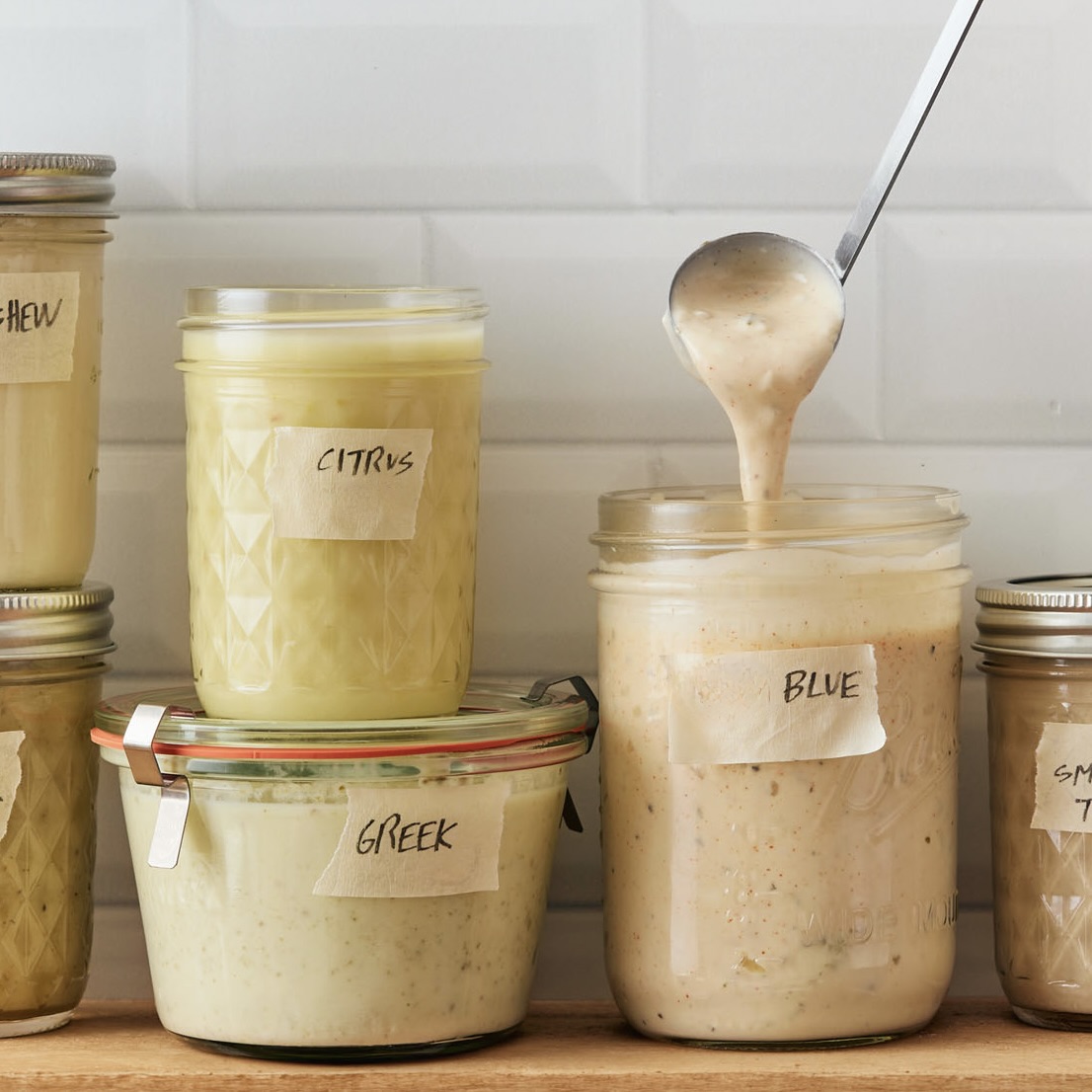
One of the most common mistakes I see is relying on overly creamy dressings. They can work, but they are unstable over time. They separate, they dull flavor, and they can weigh the salad down as it sits.
When I do use a creamy dressing, I almost always double dress. First, I toss the salad so everything is lightly coated and evenly seasoned. Then I hold extra dressing on the side and add it just before serving.
That second layer brings everything back to life.It’s a small adjustment, but it completely changes how the salad holds up in the fridge.
The one rule that changes everything:
If it doesn’t improve as it sits, it’s not a winner!
That’s the difference between a recipe and a system. And once you understand that, you’ll never look at bean salads the same way again.
Love this collection? Then definitely check out:
- 40+ High Protein Salads You’ll Get Excited To Eat
- Veggie Packed Chicken Salad Jars
- 10 of My Best Salad Jar Recipes
- 50+ Restaurant Quality Summer Salads
-

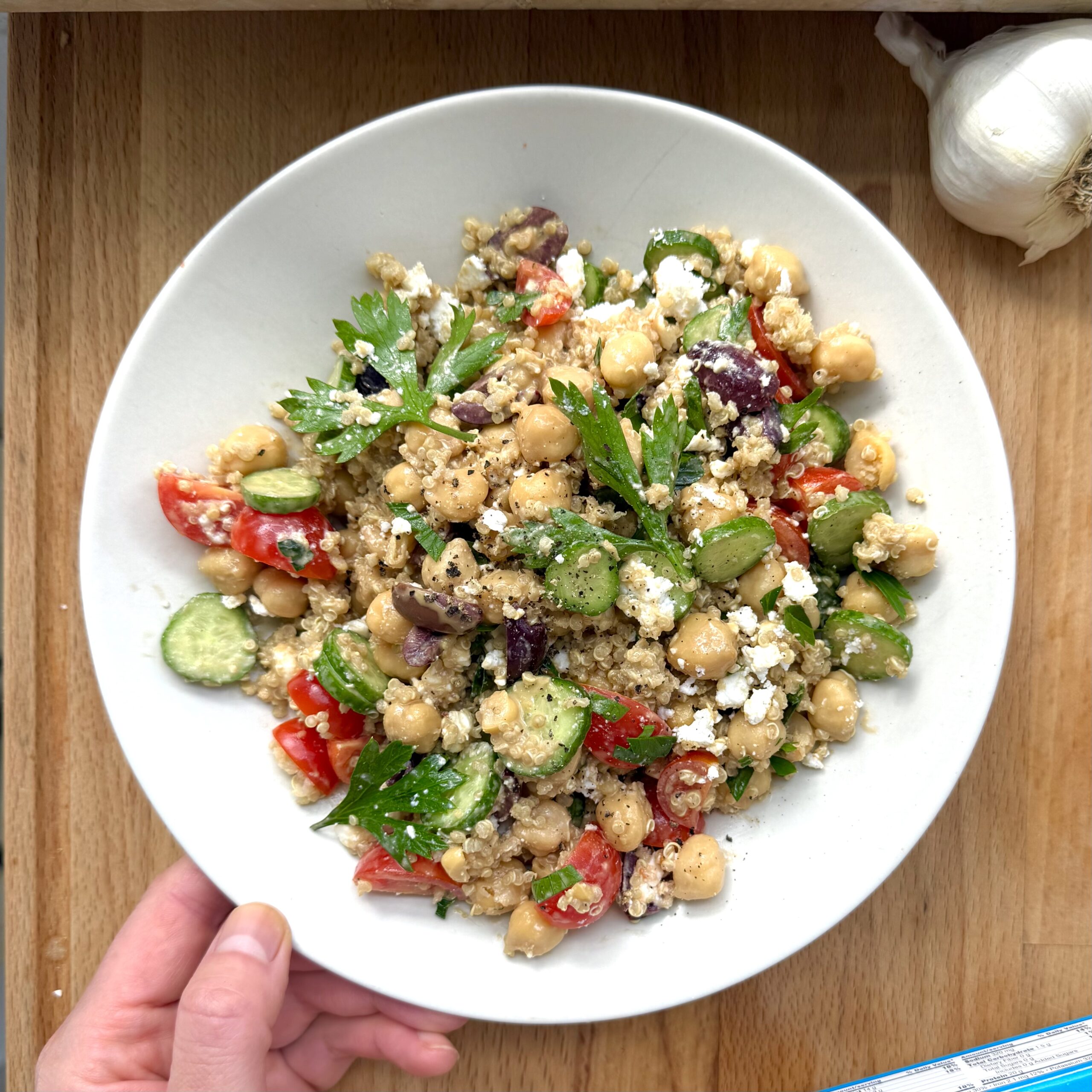
Mediterranean Quinoa and Chickpea Salad with Balsamic Vinaigrette (P.S. this makes the BEST Salad Jars)
-
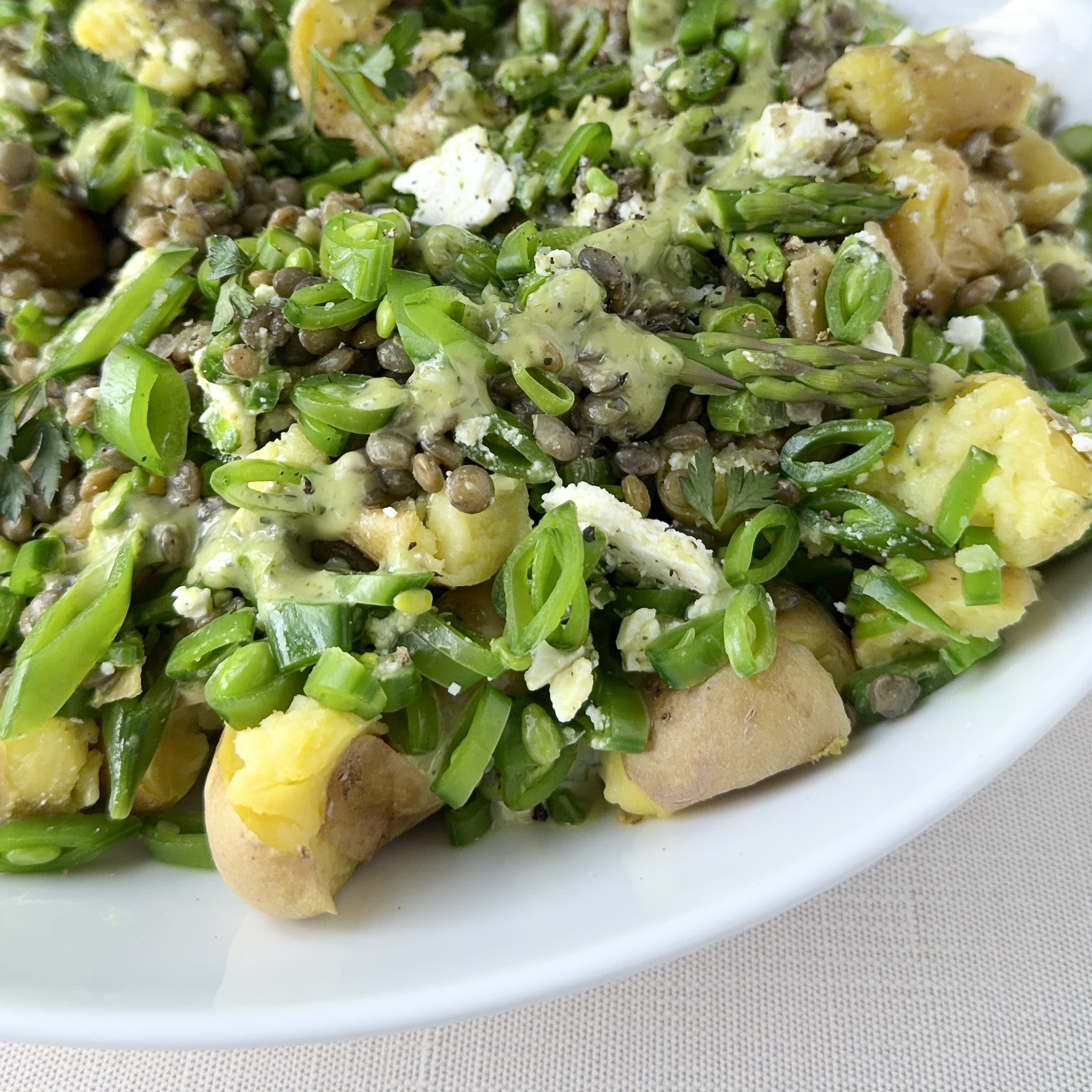
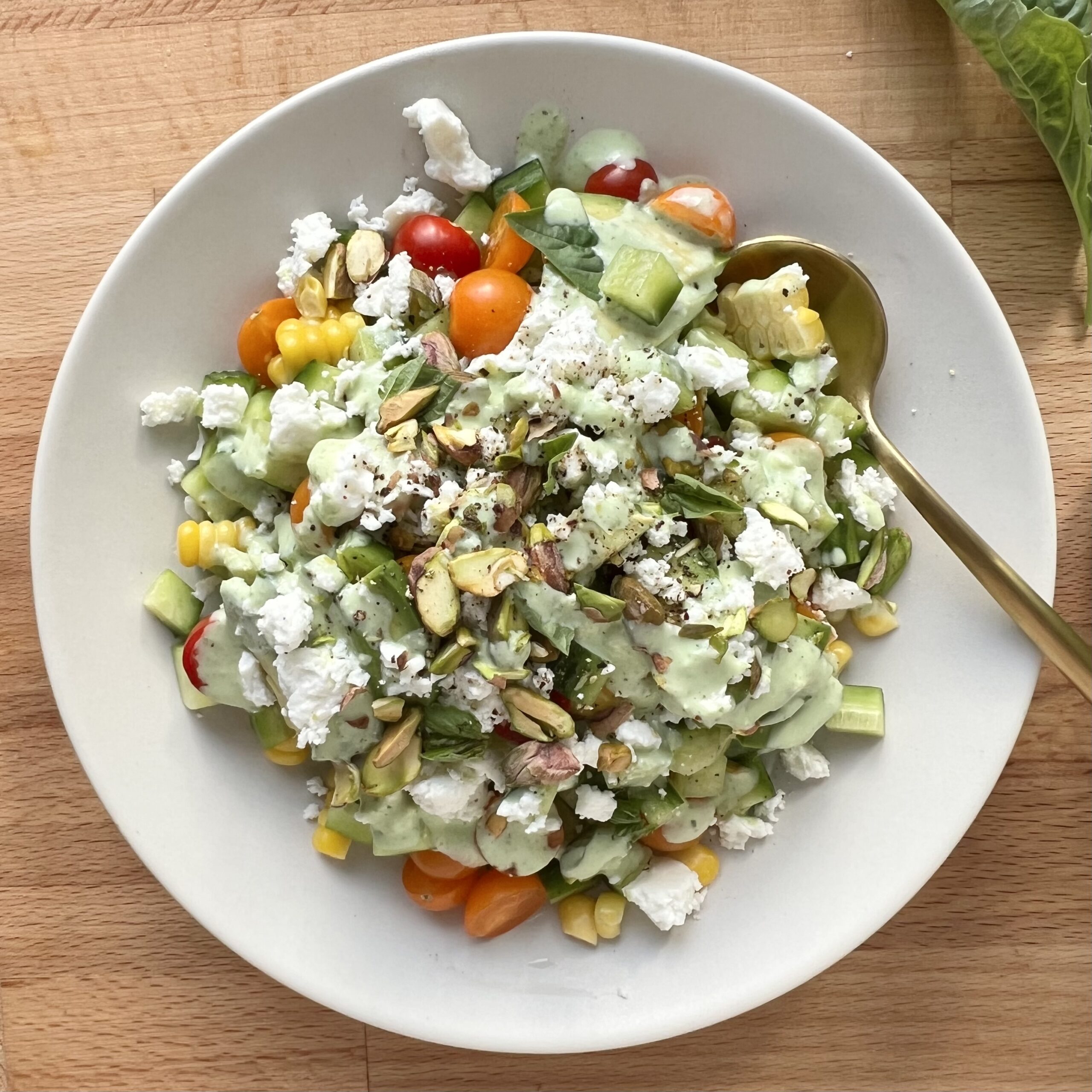
Snap Pea Asparagus Potato and Lentil Salad with Green Goddess Dressing
-
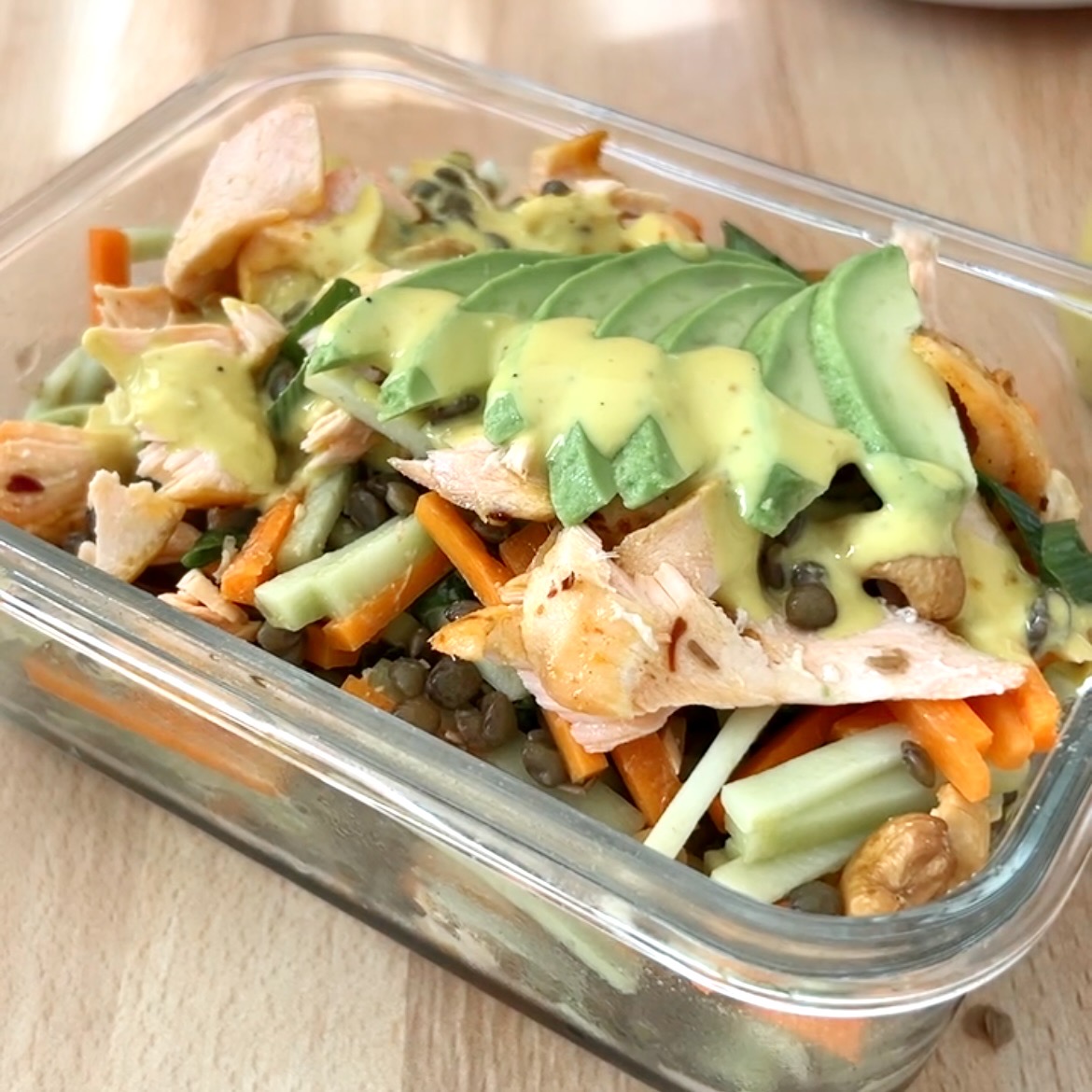
Broccoli and Carrot Slaw with Lentils Salmon and Turmeric Ginger Tahini Dressing
-
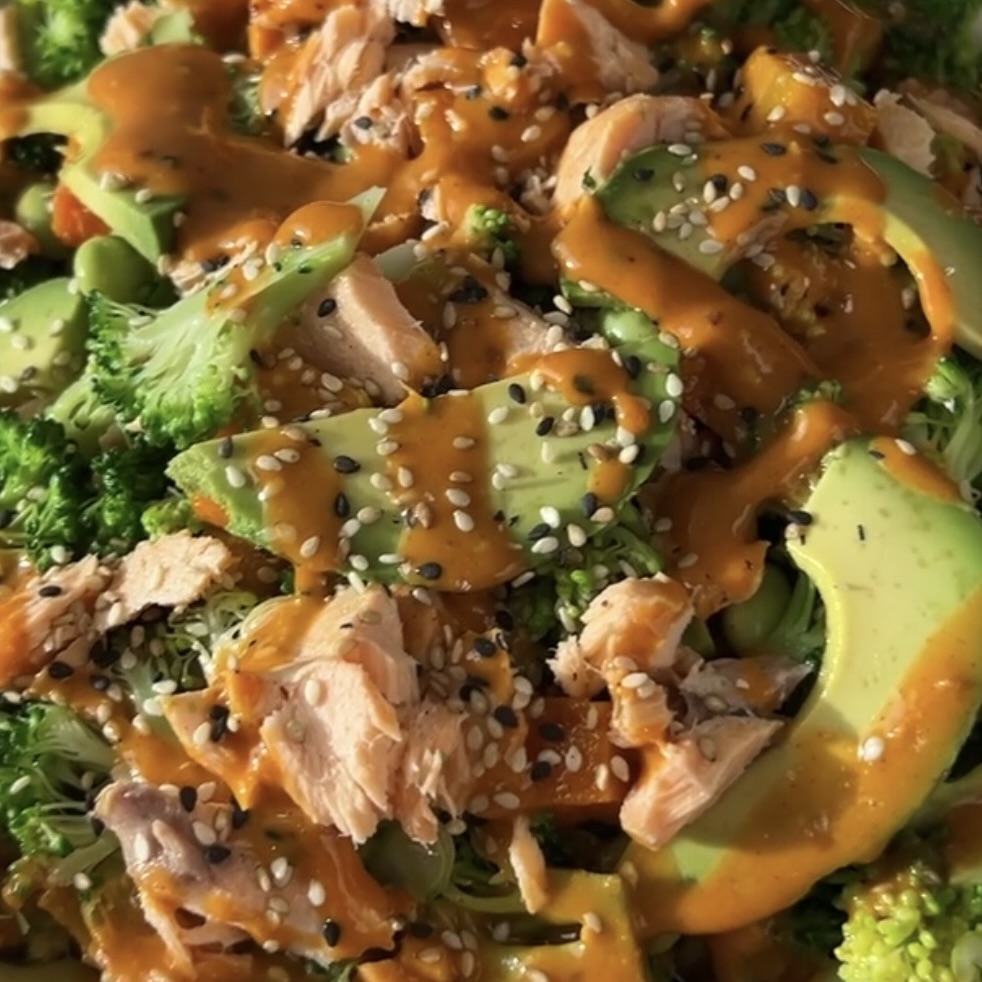
Spicy Salmon Butternut Squash and Broccoli Salad with Gochujang Sesame Dressing
-
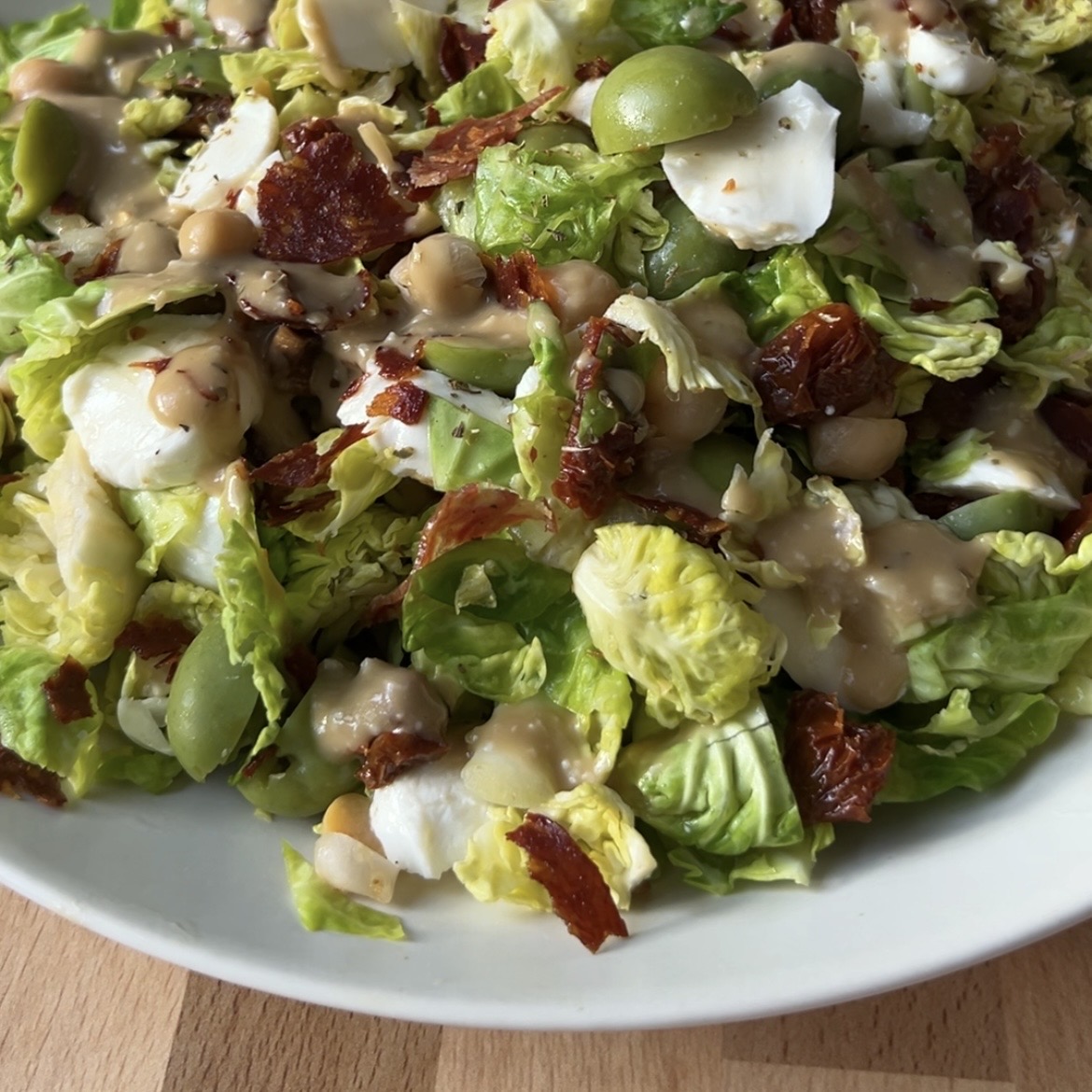
La Scala Inspired Smashed Brussels Sprouts Salad
-
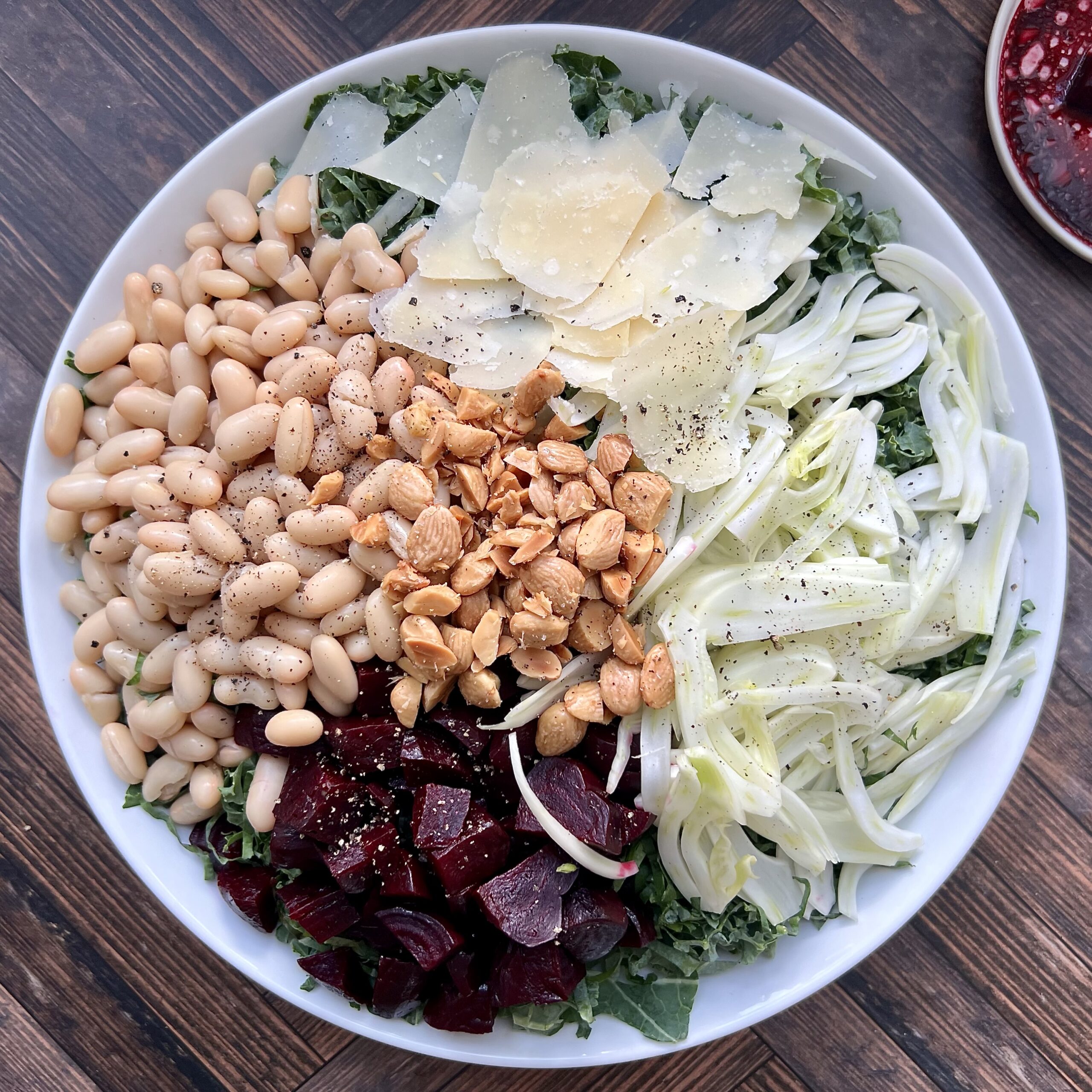
Roasted Beet and Kale Salad with White Beans & Shaved Fennel (with Balsamic Vinaigrette)
-
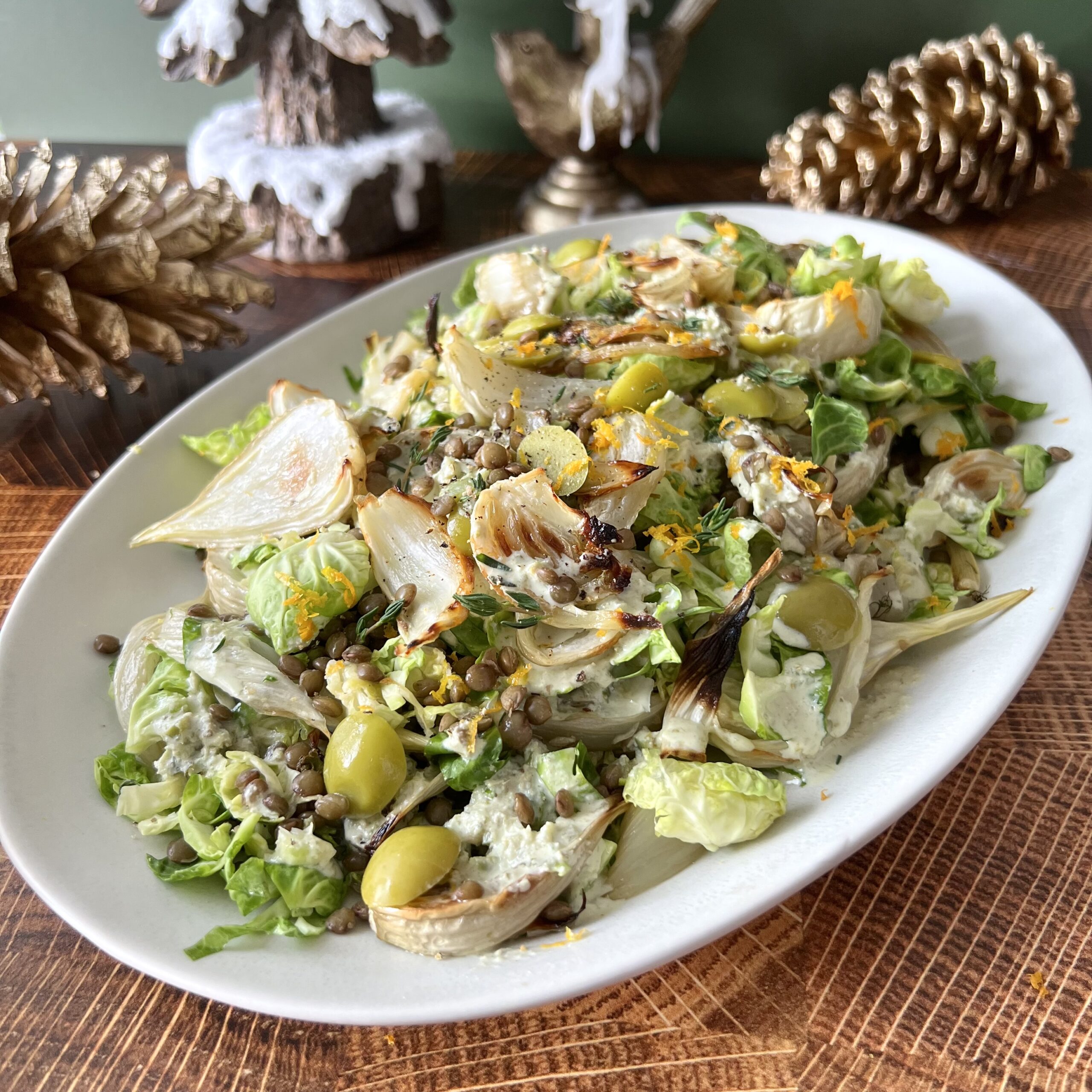
Roasted Fennel Smashed Brussels Sprout and Lentil Salad with Green Olive and Caper Dressing
-
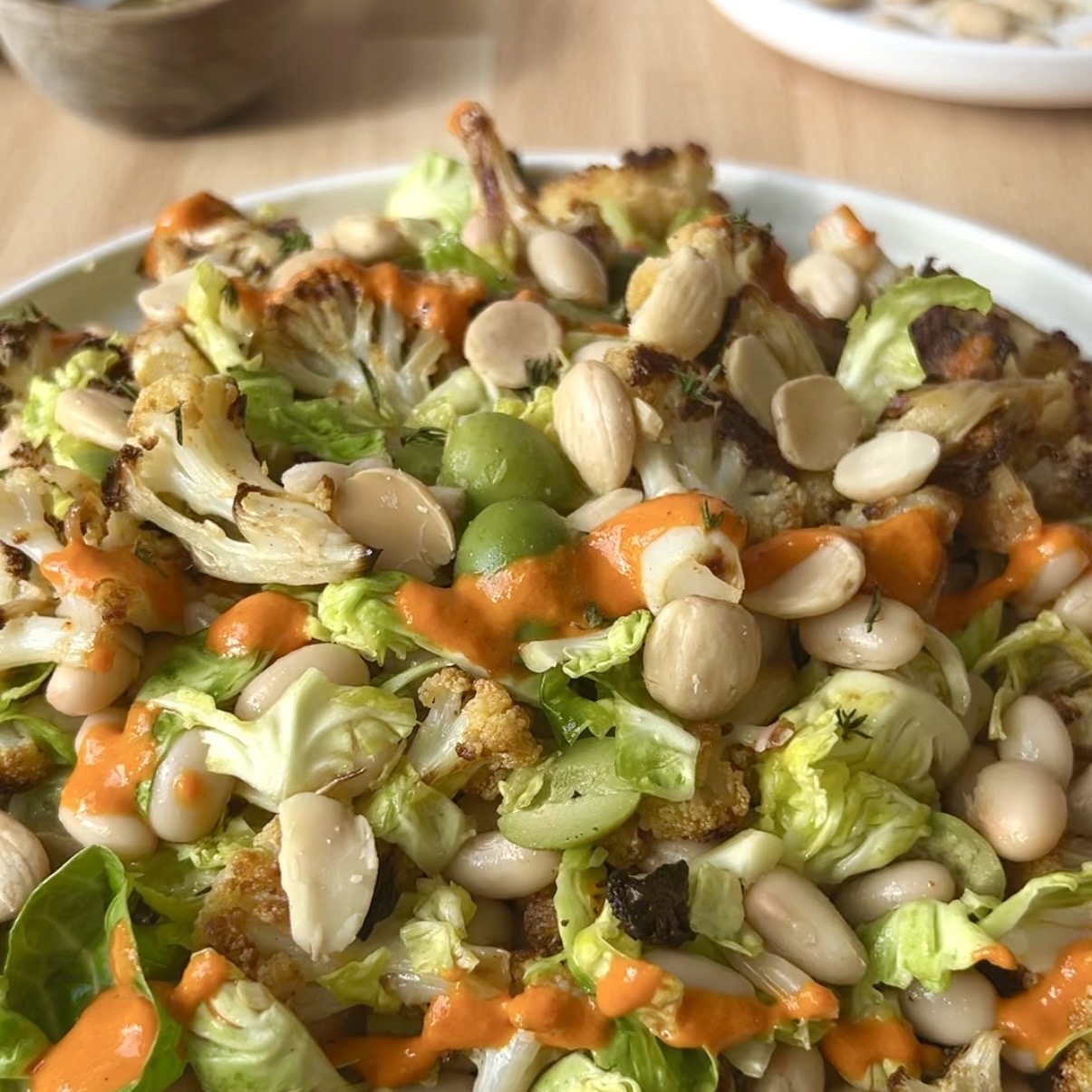
Roasted Cauliflower Salad with Smashed Brussels Sprouts White Beans and a Smoky Romesco-ish Dressing

Sarah Faris: The salad Whisperer
Sarah is a classically trained chef and Mom whose passion is spreading the gospel of salad. A native New Yorker, she now calls Miami, FL home.
Read more
Share this post:
Leave a Reply