



Why Blanching and Shocking Is So Important:
If you’ve spent any time on my site, you’ve probably noticed that I blanch and shock vegetables constantly. Broccoli, asparagus, green beans, snap peas…you’ll find them in salad after salad. It’s not because I’m trying to make recipes more complicated. It’s because blanching and shocking creates something you simply can’t get from either raw or fully cooked vegetables.
The Dish That Changed My Mind:
The first time I truly understood blanching and shocking, I was the executive chef at a catering facility in Michigan. One of my most popular dishes was a pasta primavera. Guests constantly asked what made the vegetables taste so much better than every other version they’d had. The answer wasn’t an exotic ingredient. It was the care I took to blanch and shock every vegetable individually before tossing them into the sauce just before serving.
That dish completely changed the way I thought about vegetables. I realized they weren’t cooked, but they weren’t raw either. They existed in this remarkable in-between state that amplified the flavor of every vegetable on the plate.
Blanching Doesn’t Cook Vegetables It Transforms Them:
Most home cooks think blanching is simply another way of cooking vegetables. It isn’t. Blanching and shocking creates an entirely different preparation. It’s neither raw nor cooked. It’s the culinary equivalent of that fleeting moment between asleep and awake, a sweet spot that’s difficult to explain until you experience it yourself.
What Actually Changes:
My favorite vegetables to blanch and shock are:
- Broccoli
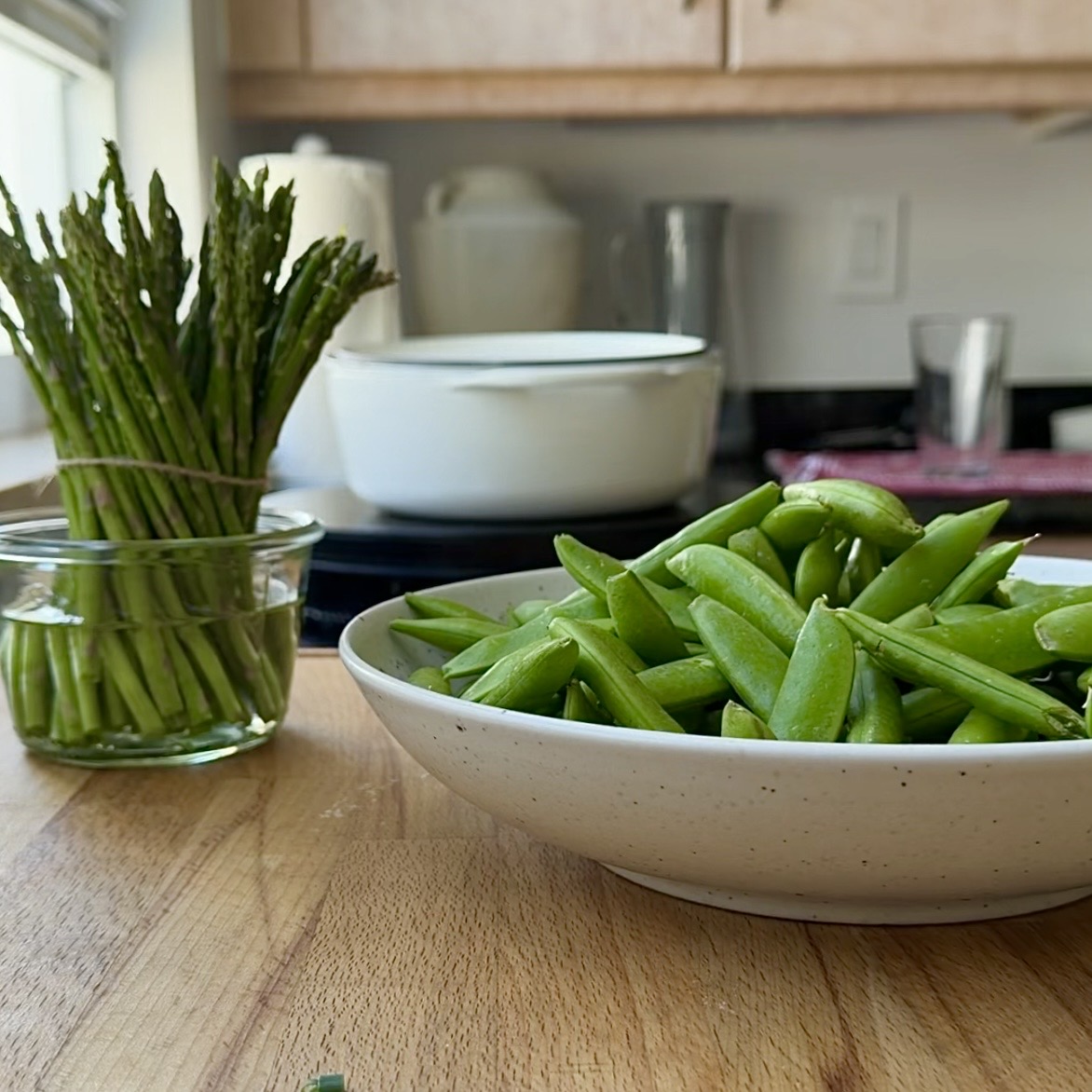
- Asparagus
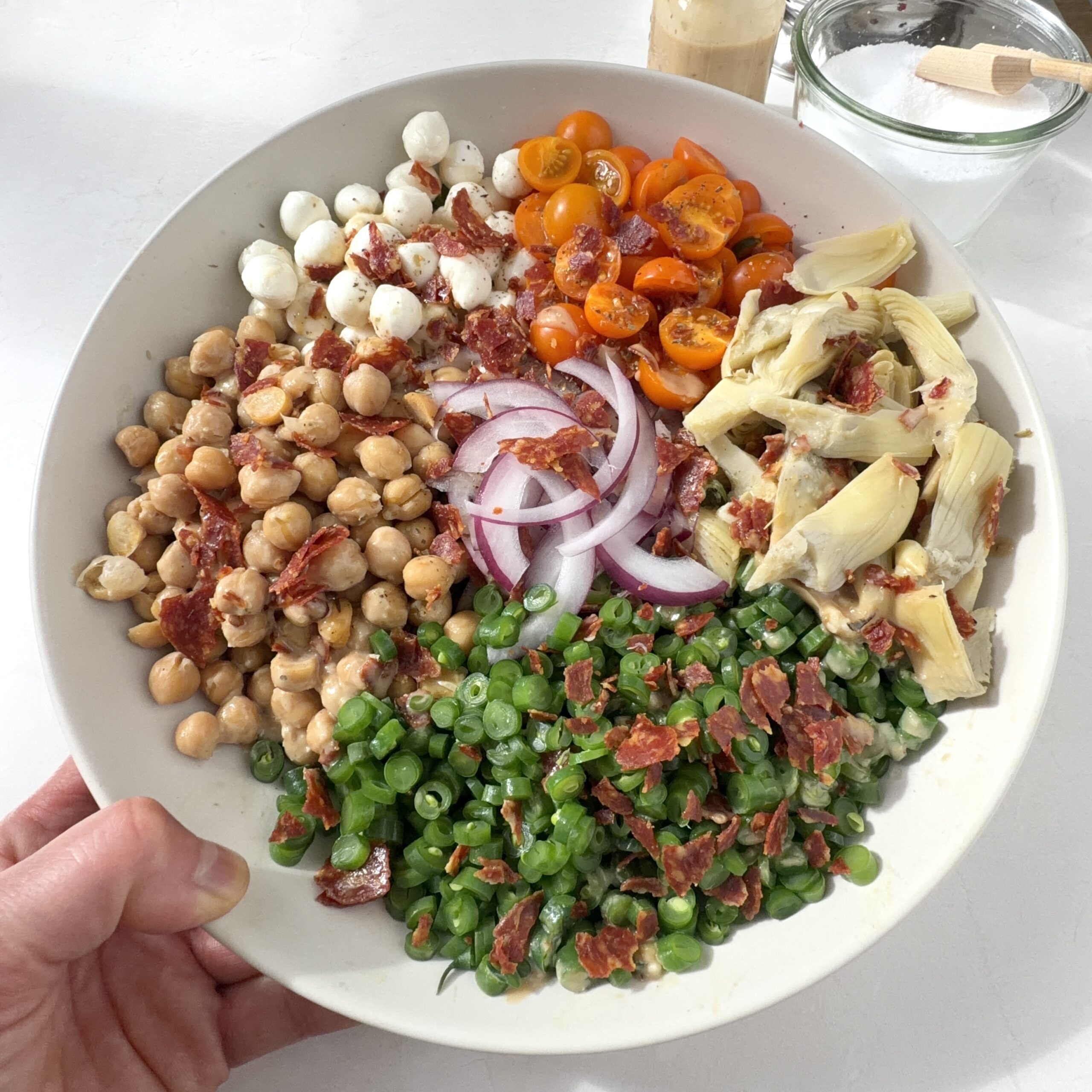
- Green beans
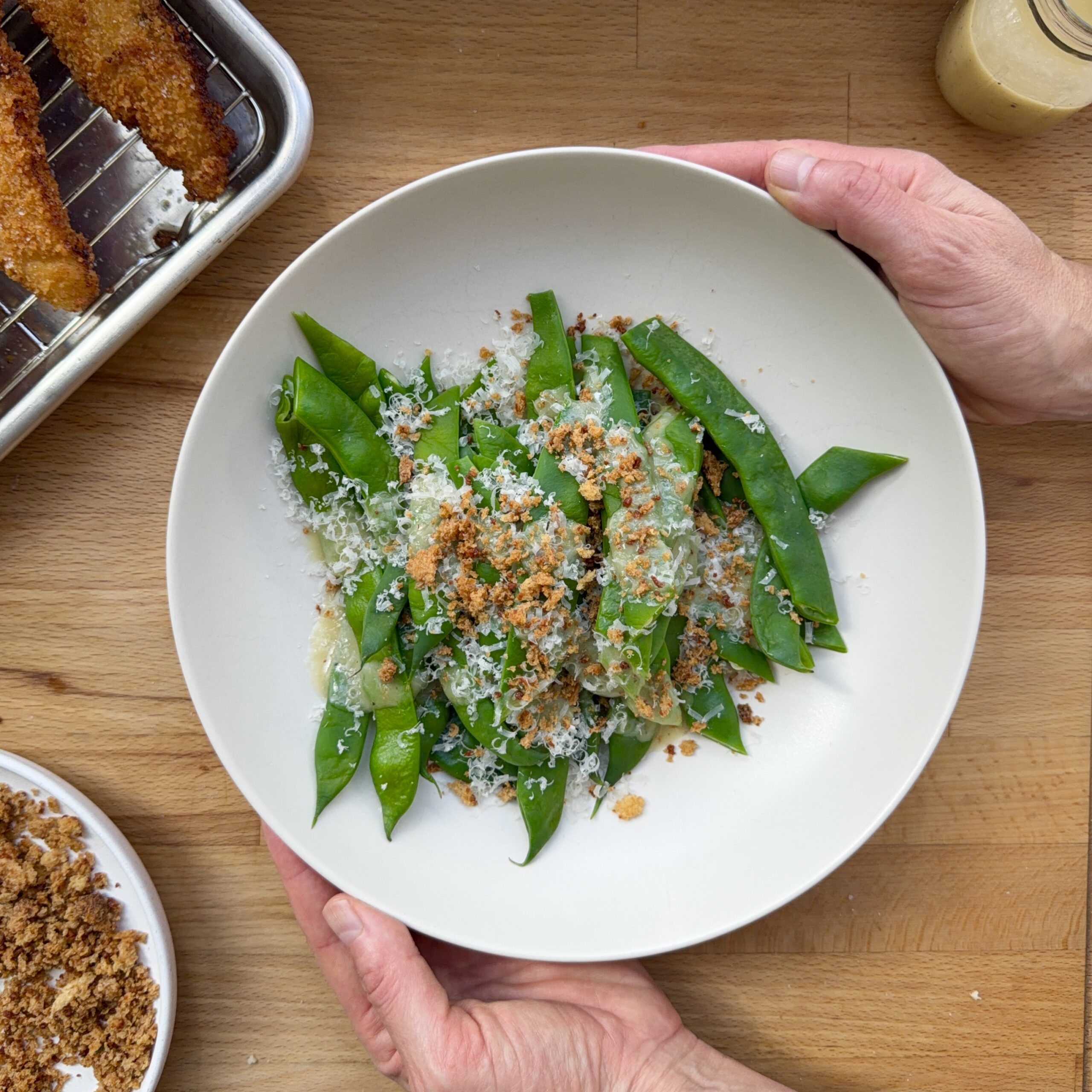
- Snap peas
Every one of them undergoes the same transformation. Their natural sweetness becomes more pronounced. Any harsh or bitter notes soften. The vegetables take on a gentle salinity from the seasoned cooking water, and the texture changes in the best possible way. The bite becomes just tender enough that it yields between your molars without ever becoming soft. That texture is what keeps salads exciting.
Why I Use It So Often in Salads:
After leaving the restaurant industry, I started practicing law. Like many people with demanding jobs, I quickly realized I needed to bring lunch if I wanted to eat well during the workday. That’s when I began experimenting with combinations of vegetables, grains, herbs, cheeses, and vinaigrettes that I could prepare ahead of time and actually look forward to eating. Blanching and shocking became one of the defining techniques in those salads.
It gave me vegetables that stayed vibrant, tasted sweeter, and had the perfect texture straight from the refrigerator. Today, it’s one of the foundations of my salad philosophy.
Most Chefs Use It for Speed But I Use It for Flavor:
Traditionally, blanching and shocking is a restaurant prep technique. A chef blanches green beans so they can be quickly sautéed to order in a minute or two during dinner service. That’s valuable, but I think the technique deserves much more attention than it gets.
I see blanching and shocking as one of the most powerful ways to improve the vegetables themselves, not simply prepare them for service.That’s why it has become one of the signatures of my cooking and one of the techniques I rely on most when creating salads.
Two Mistakes to Avoid (and a Third if you are making a salad):
1. Don’t Overcrowd the Pot
Add too many vegetables at once and the water temperature drops dramatically. Instead of blanching, the vegetables slowly warm up and begin cooking unevenly. Work in batches so the water quickly returns to a lively boil after the vegetables are added.
2. Don’t Skimp on the Ice Bath
The ice bath’s job is to stop the cooking immediately. Without enough ice, the vegetables continue cooking from their residual heat, and you lose the crisp texture that makes blanching and shocking so worthwhile.
3. Don’t Forget to Blot off the Moisture
If you are making a salad, after you drain the vegetables from the ice bath, you MUST blot them dry with a tea towel or a few paper towels so that they are not sopping wet. If they are too wet, the dressing will not adhere to them and your salad will be soggy.
The Bottom Line:
Blanching and shocking isn’t about making vegetables partially cooked. It’s about creating a texture and flavor that neither raw nor cooked vegetables can achieve on their own. Once you experience that sweet spot, brighter flavor, concentrated sweetness, and vegetables with just the right amount of bite, it’s hard to go back.
How to Blanch and Shock Veggies:
- Bring 5 to 6 quarts of water and 2 to 3 tablespoons of kosher salt to a rolling boil in a large pot.
- Meanwhile, prepare an ice bath by filling a large bowl halfway with ice, then adding enough cold water until the bowl is about two-thirds full. Make sure the bowl is large enough to hold all of the vegetables you’re blanching.
- Working in batches if necessary, add the vegetables to the boiling water. Don’t overcrowd the pot- you want the water to return to an active boil quickly after the vegetables are added. Cook until the vegetables are crisp-tender and brightly colored. Cooking times vary by vegetable, but most take between 30-60 seconds.
- Using a spider strainer, immediately transfer the vegetables to the ice bath to stop the cooking. Once completely chilled, drain well and gently pat the vegetables dry with a clean kitchen towel or paper towels. Don’t skip this final step. Dry vegetables allow vinaigrettes and dressings to cling properly instead of sliding off.
You could use a regular strainer but it’s not as efficient and sometimes may cause the vegetables to overcook. The spider strainer makes the process so easy and seamless. It allows to you scoop up the veggies in seconds, which is essential for the success of the blanch and shock technique. I use this 5-inch spider strainer.
Want to try this technique? In addition to the recipes below, you’re also ready for these collections:
- 12+ Crazy Good Asparagus Salads
- 9+ Snap Pea Salads that Make the Most of Peak Season
- 40+ of My Best High Protein Salads
- 30+ Veggie Packed Bean Salads
-

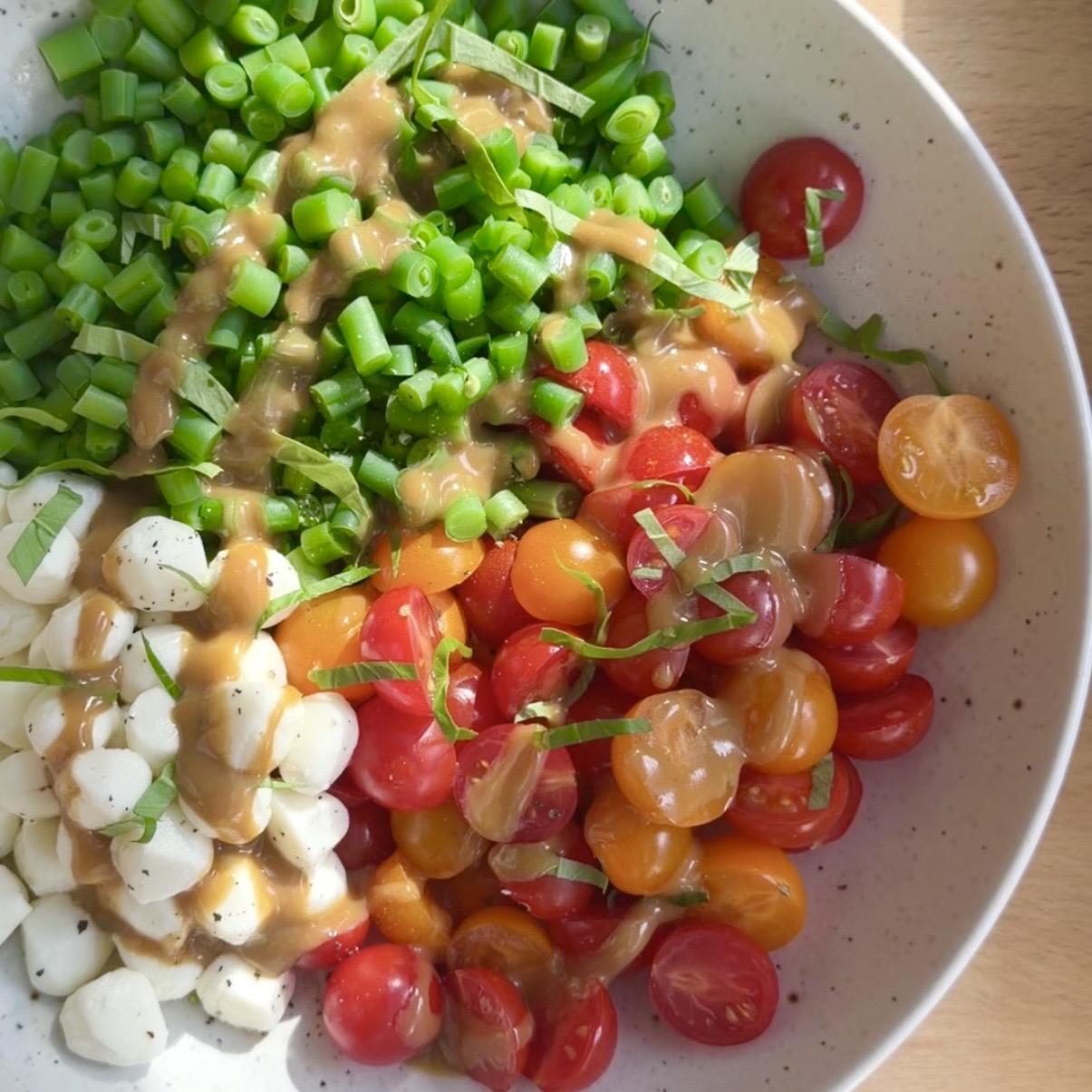
Green Bean Tomato and Fresh Mozzarella Salad with Balsamic Vinaigrette
-
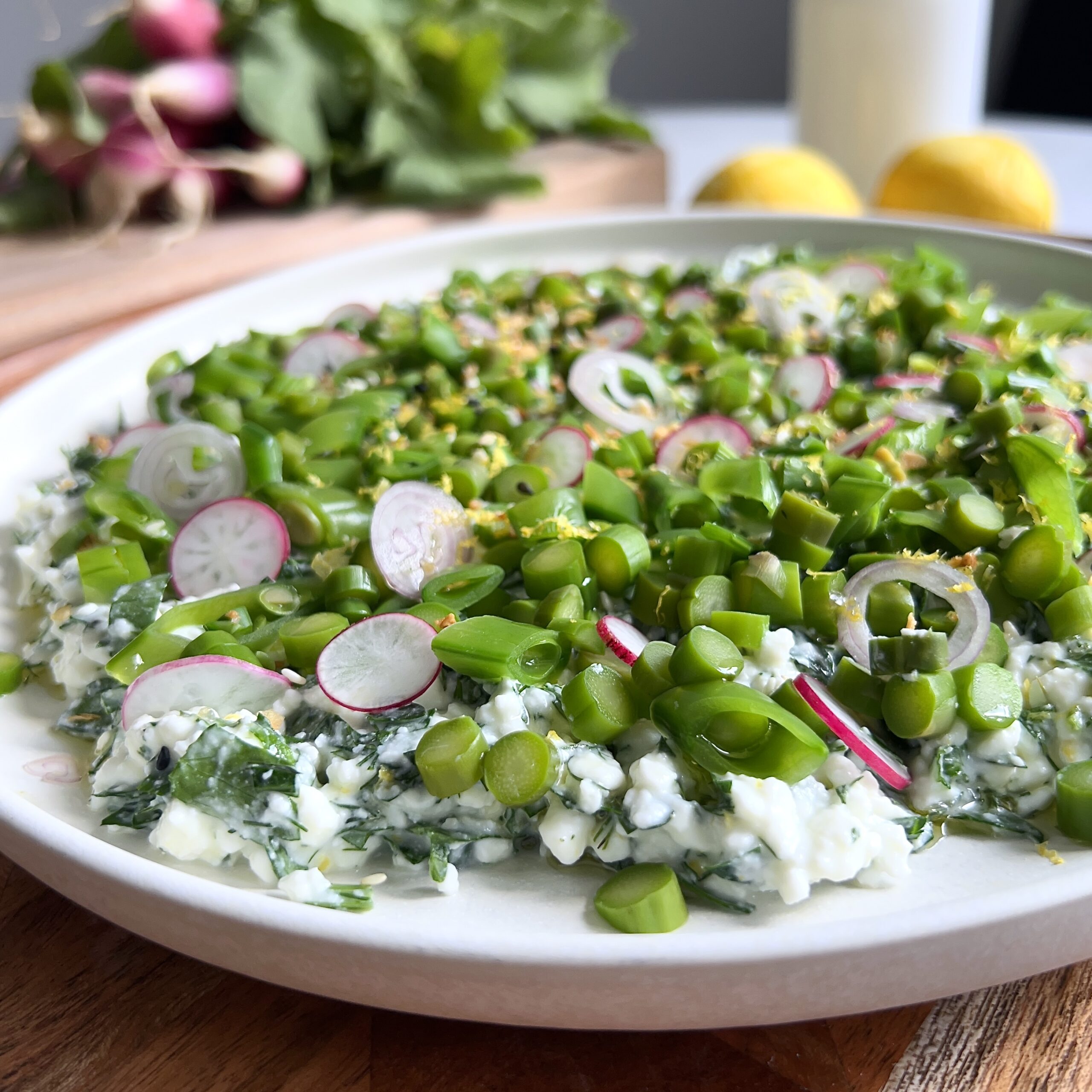
Asparagus & Snap Pea Salad with Herbed Cottage Cheese
-
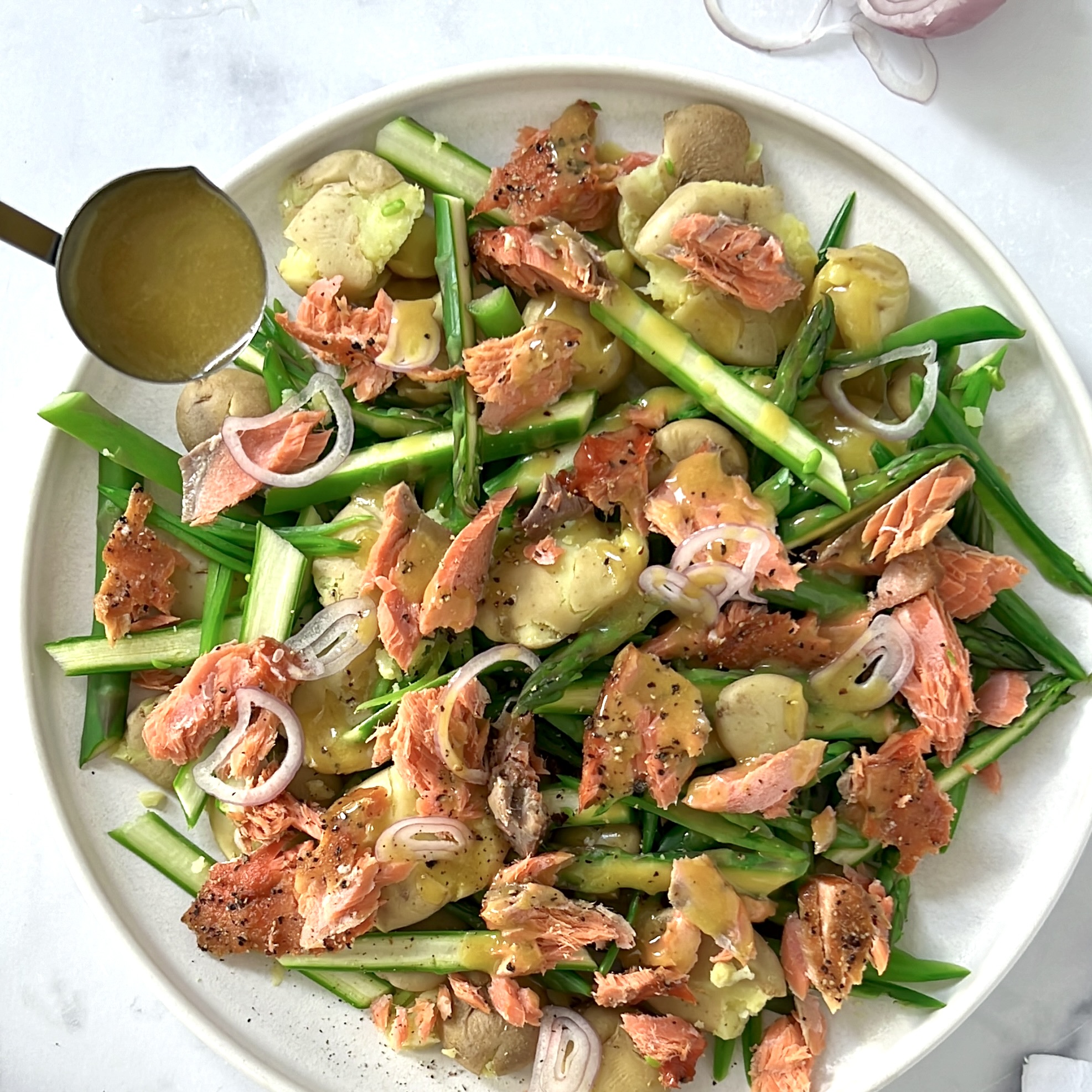
Asparagus, Potato and Snap Pea Salad with Smoked Salmon and Honey Mustard Dressing
-
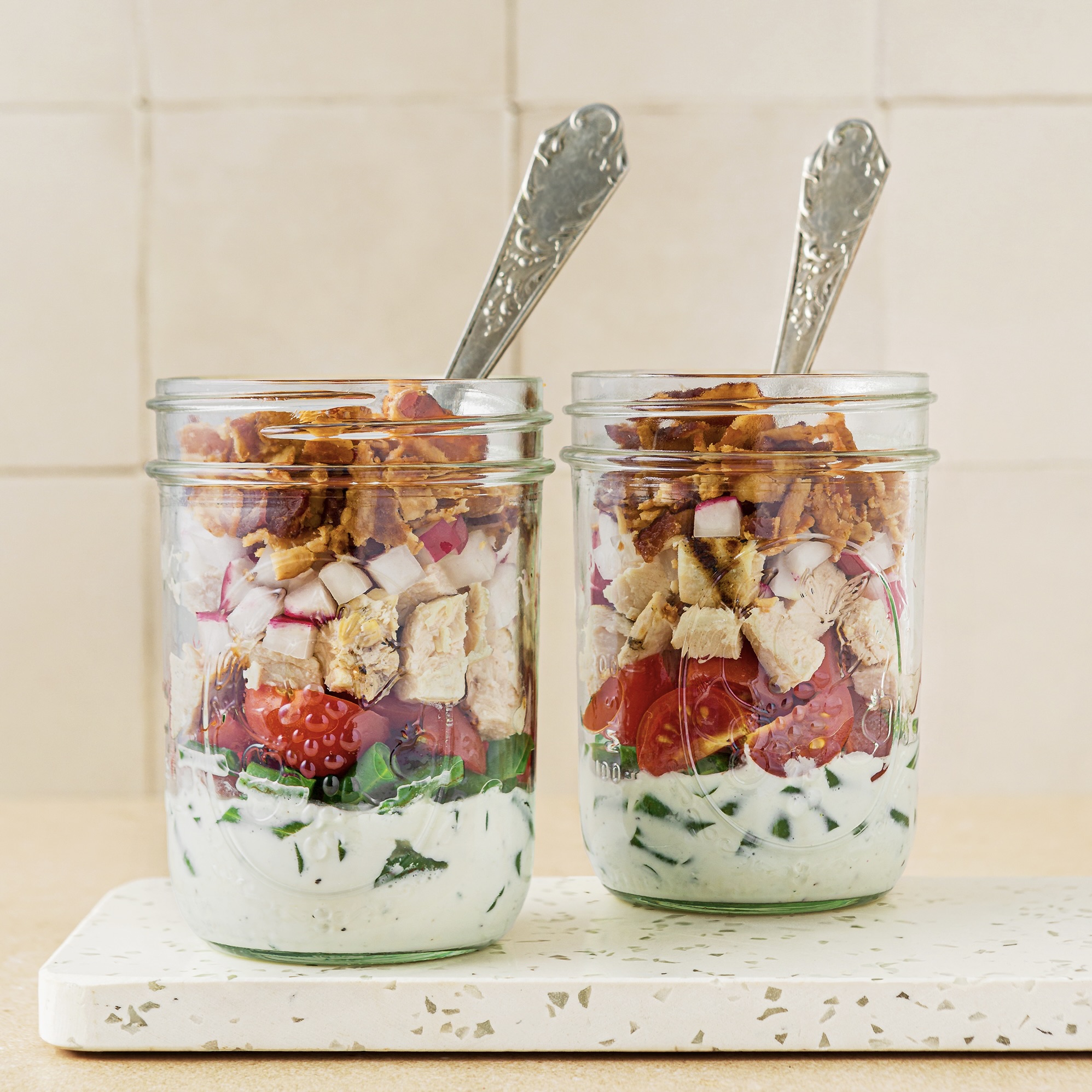
Everything But the Wedge Chicken and Green Bean Salad Jars with Blue Cheese Dressing
-
Broccoli Lentil and Avocado Salad with Scallion Greek Yogurt Dressing
-
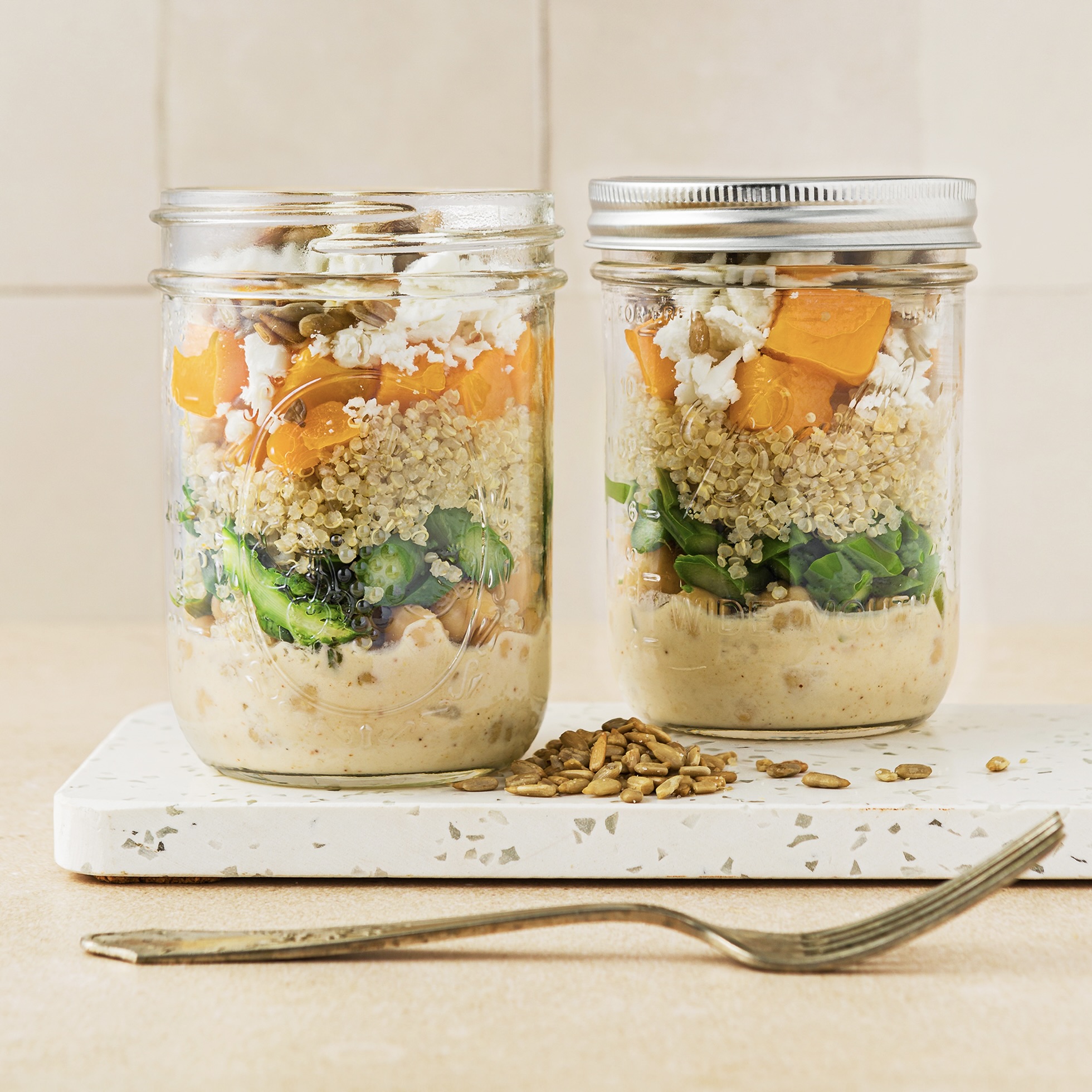
Butternut Squash, Asparagus and Quinoa Salad Jars with (Just a Little) Spicy Tahini Dressing
-
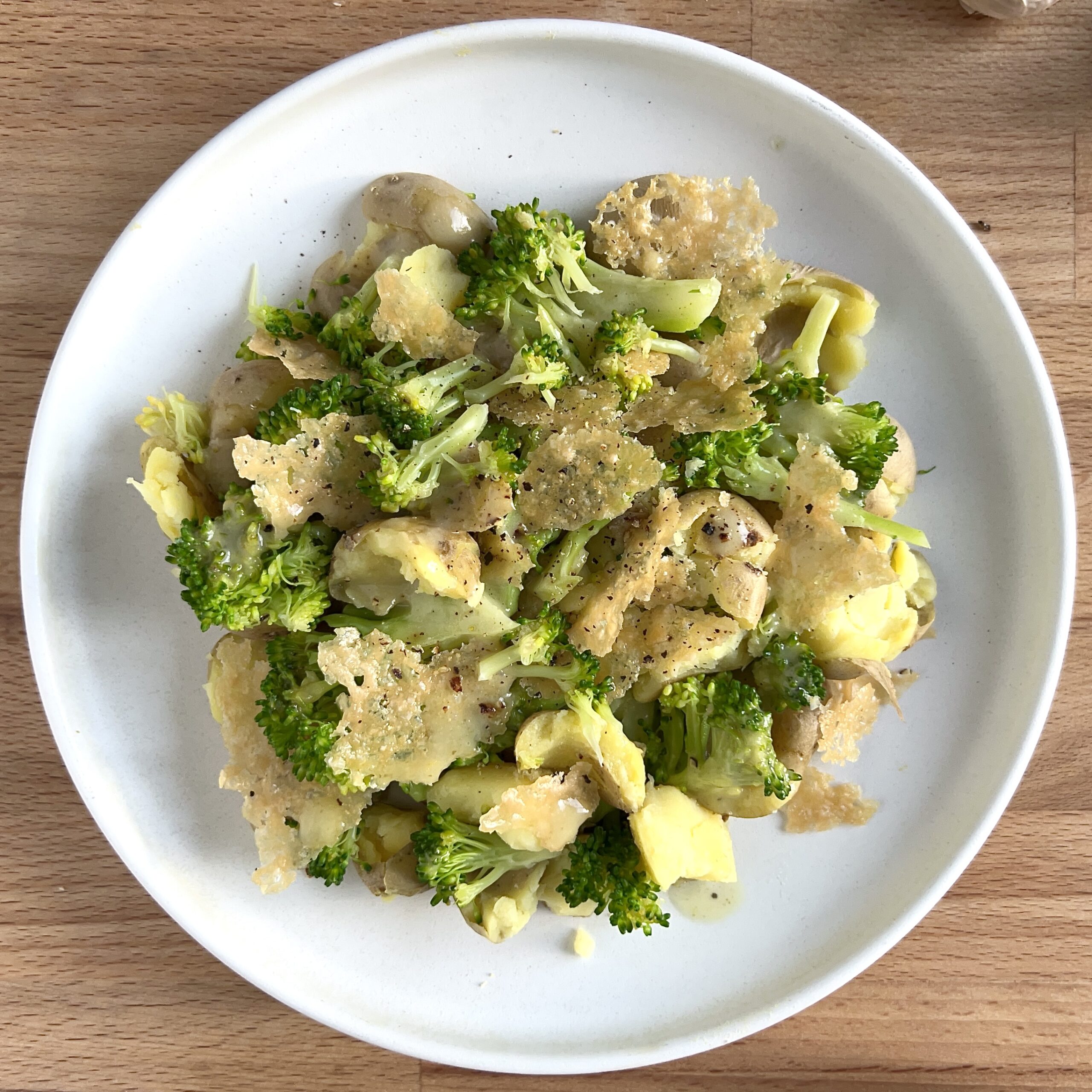
Broccoli and Potato Salad with Parmesan Frico and Lemon Rosemary Dressing
-
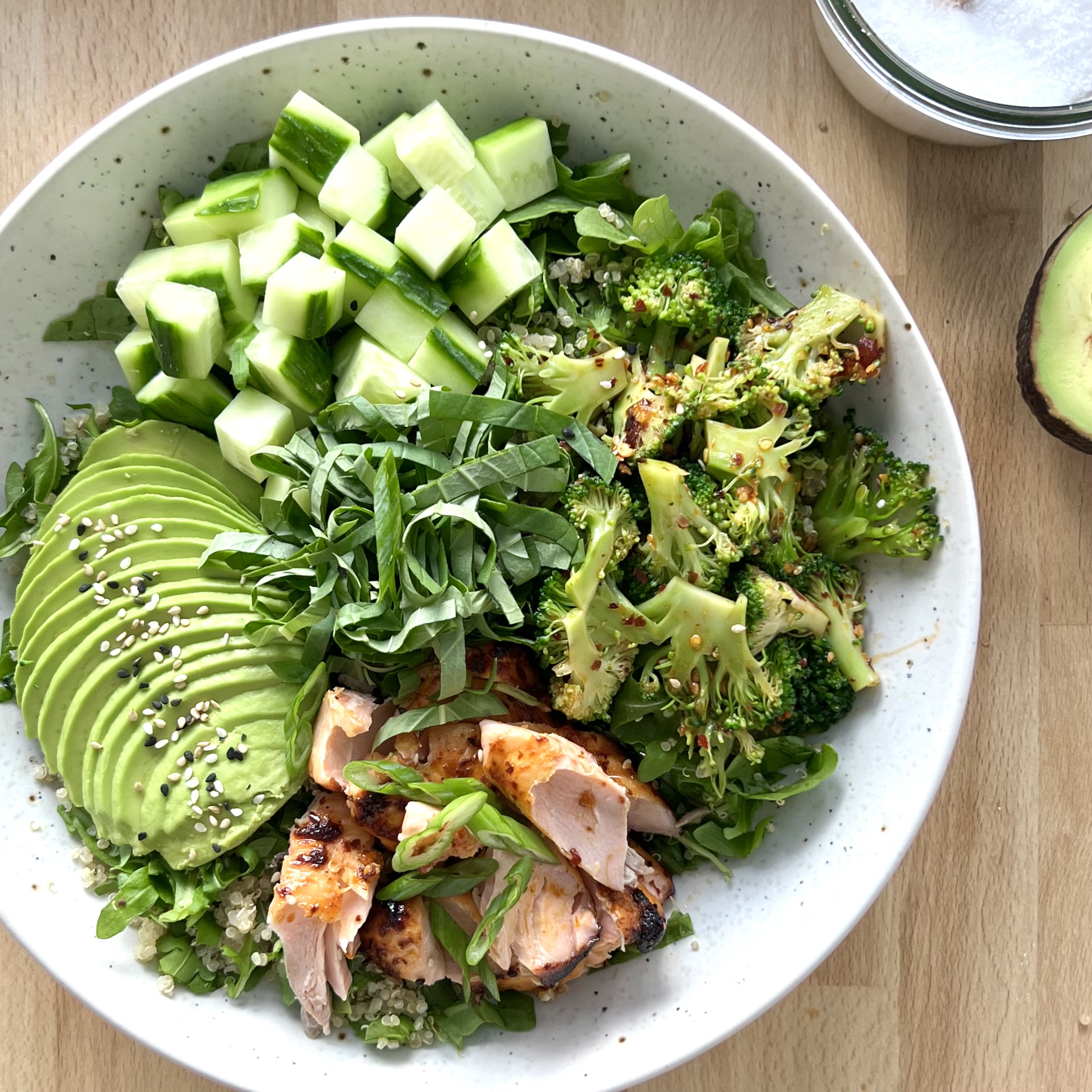
My Go-To Sweetgreen Order: Miso Salmon Quinoa Bowl with Sweetgreen Copycat Spicy Broccoli & Green Goddess Ranch Dressing


Sarah Faris: The salad Whisperer
Sarah is a classically trained chef and Mom whose passion is spreading the gospel of salad. A native New Yorker, she now calls Miami, FL home.
Read more
Share this post:
Leave a Reply