

You’re Not Going to Believe How Easy it is to Make Pomegranate Molasses!
A few years ago, I had one of my recurring problems: I overbought produce because it was on sale. I had more pomegranates than I could reasonably eat, so I looked up how to juice them myself. Once I had all that juice sitting in my kitchen, I thought, “Huh. I bet I can make pomegranate molasses from this.” And I was right!
What Is Pomegranate Molasses?
Pomegranate molasses is essentially pomegranate juice that’s been reduced until it’s thick, intensely fruity, tart, and sweet. It’s not molasses in the traditional sense; there’s no sugarcane involved. It’s a staple ingredient in Middle Eastern cooking and one of those ingredients that can do a lot of work for very little effort.I love it in salad dressings, but you can also use it as a finishing sauce, stir it into sparkling water for a quick mocktail, or drizzle it over foods the way you might use a balsamic glaze.
If you have four cups of pomegranate juice, you are about an hour away from homemade pomegranate molasses.
And yes, you can absolutely juice your own pomegranates to make it. I know this because that’s exactly how I started making pomegranate molasses. But after doing the math, I have a different recommendation: buy the pomegranate juice.
For You Overachievers- Here’s How to Make Pomegranate Juice
One medium pomegranate will give you about 1½ to 2 cups of arils and roughly 6 to 8 ounces of juice. Place the arils in a pastry bag or sturdy zip-top bag and crush them with a rolling pin until they release their juice. Snip a small corner off the bag and let the juice drain through a strainer set over a jar. Since you need four cups of juice for this recipe, you’ll need about 6 pomegranates, another reason I recommend buying the juice unless you already have a surplus of fruit to use.
Why I Recommend Buying Pomegranate Juice
You need four cups of pomegranate juice to make a batch of pomegranate molasses. That’s a lot of pomegranates to juice, and there is no prize for making your own juice first. Buy pure pomegranate juice without added flavors or unnecessary ingredients. You’re going to reduce it with lemon juice and sugar, so you don’t need a juice that’s already sweetened.
How to Make Pomegranate Molasses
The ingredient list is wonderfully short:
- 4 cups pomegranate juice
- Juice of 1 lemon
- 1/2 cup sugar
That’s it. Combine the pomegranate juice, lemon juice, and sugar in a saucepan and bring it to a boil. Once it reaches a boil, reduce the heat to a simmer and let it cook for about 60 to 75 minutes. And this is where I want you to resist the urge to rush it.
Don’t Rush the Reduction
The biggest mistake I see people making with pomegranate molasses is trying to hurry the process. You don’t want to crank up the heat and aggressively boil the juice until it suddenly looks thick. You’re reducing the liquid gradually, concentrating all of that pomegranate flavor along the way.
Bring it to a boil, reduce it to a simmer, set a timer for 60 minutes, and start checking it from there.
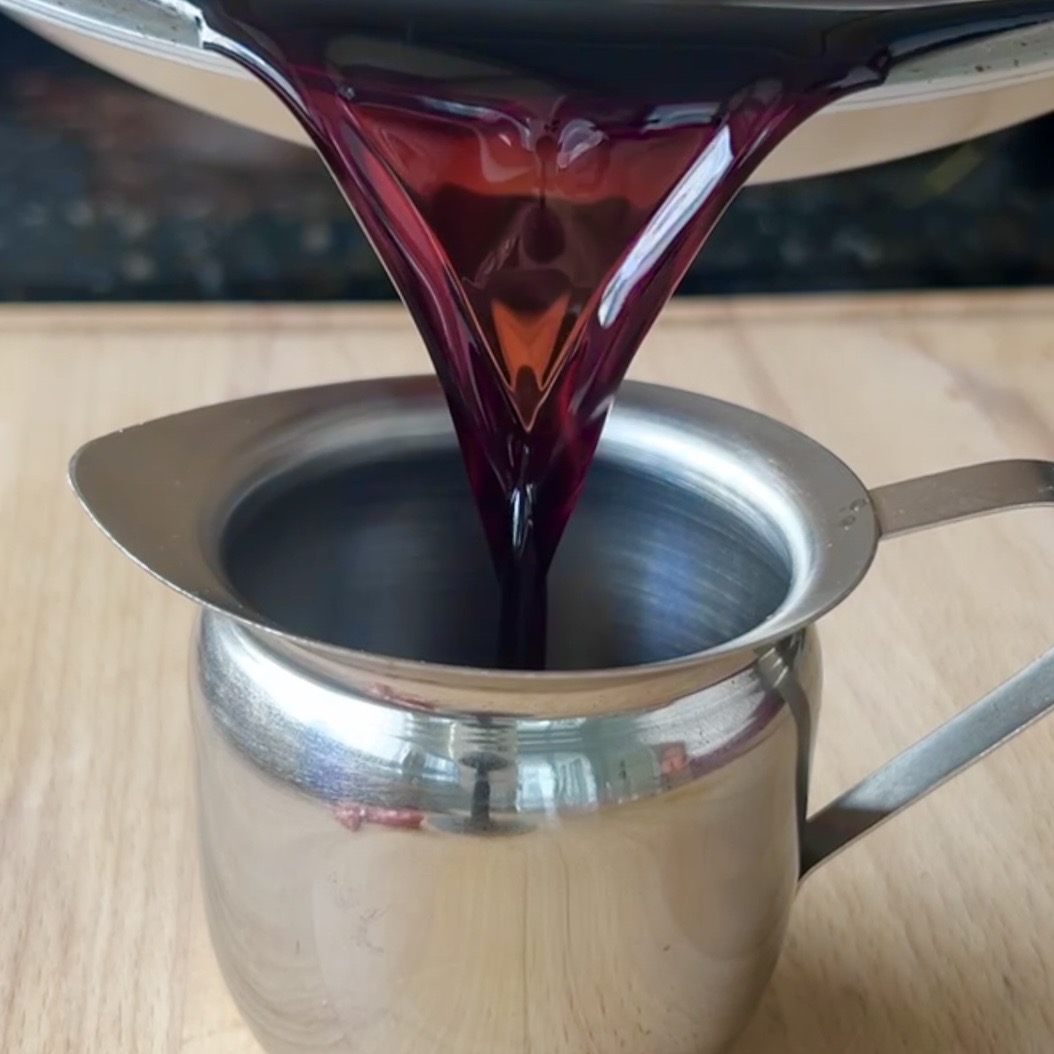
Depending on your pan, your stove, and how vigorously your mixture is simmering, it may take somewhere between 60 and 75 minutes. The important thing is not to obsess over the exact minute on the timer. You’re looking for the right consistency, which is thicker than maple syrup but thinner than honey. Something similar to balsamic glaze.
The Frozen Plate Test
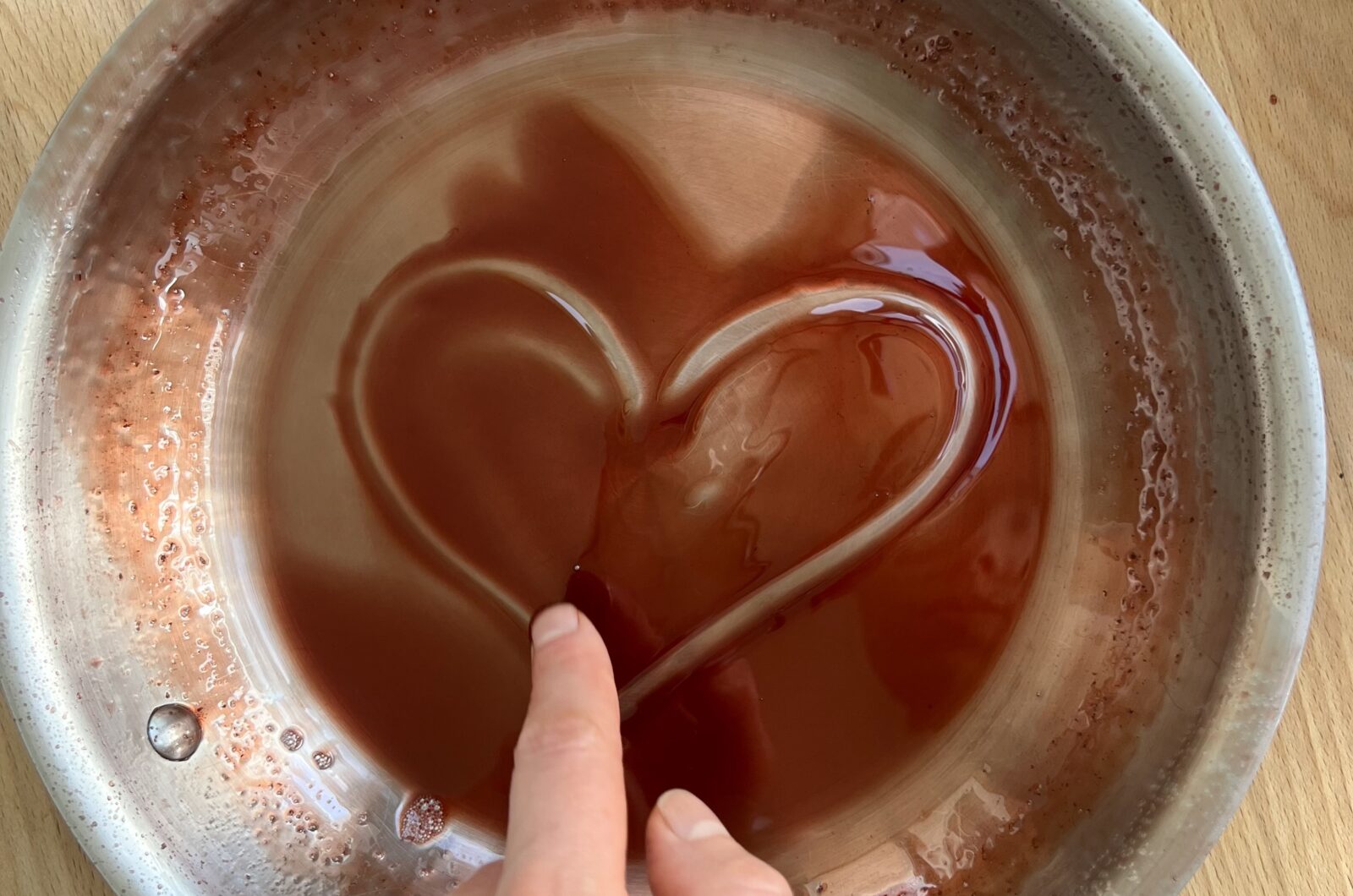
Here’s my favorite trick for knowing when your pomegranate molasses is done. Before you start cooking, put a small plate in the freezer. When you think your pomegranate molasses is ready, take the cold plate out of the freezer and drizzle a little of the hot molasses onto it. The cold plate rapidly cools the molasses, giving you a much better idea of what the finished consistency will actually be. This is important because hot pomegranate molasses is going to look much thinner than it will once it cools. So don’t stand over a bubbling saucepan thinking, “This still looks too thin.” Test it. If the cooled drizzle has the consistency you want, you’re done.
What Does Pomegranate Molasses Taste Like?
It’s intensely pomegranate-y, tart, sweet, and concentrated. The lemon adds another layer of acidity, while the sugar balances the natural tartness of the pomegranate juice.
The finished molasses should be thick enough to drizzle but still fluid. Think somewhere in the neighborhood of a balsamic glaze, although the flavor is completely different. And remember: it will continue to thicken as it cools. That’s another reason I like the frozen-plate test. You’re not guessing what a hot liquid is going to do once it hits room temperature.
How to Use Pomegranate Molasses
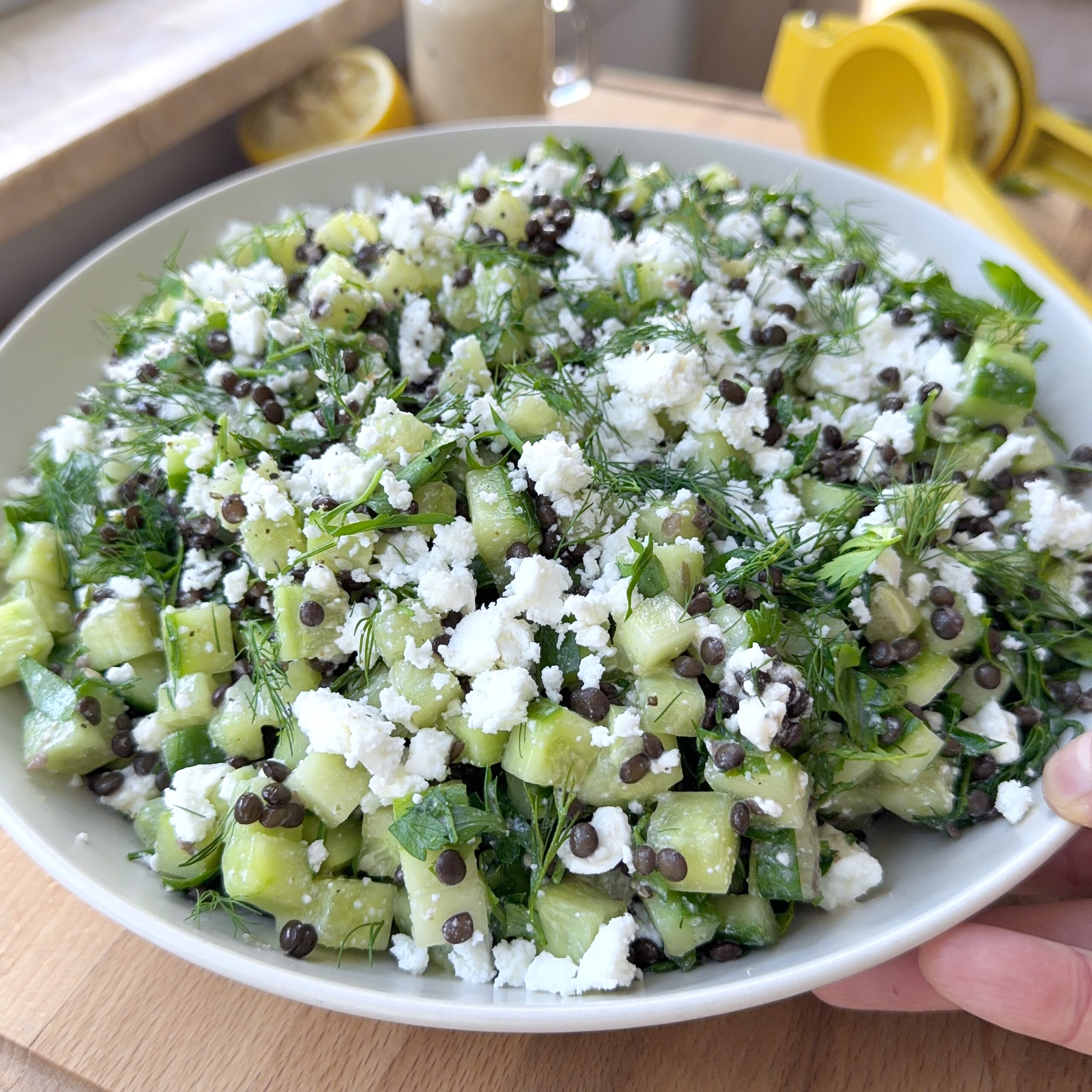
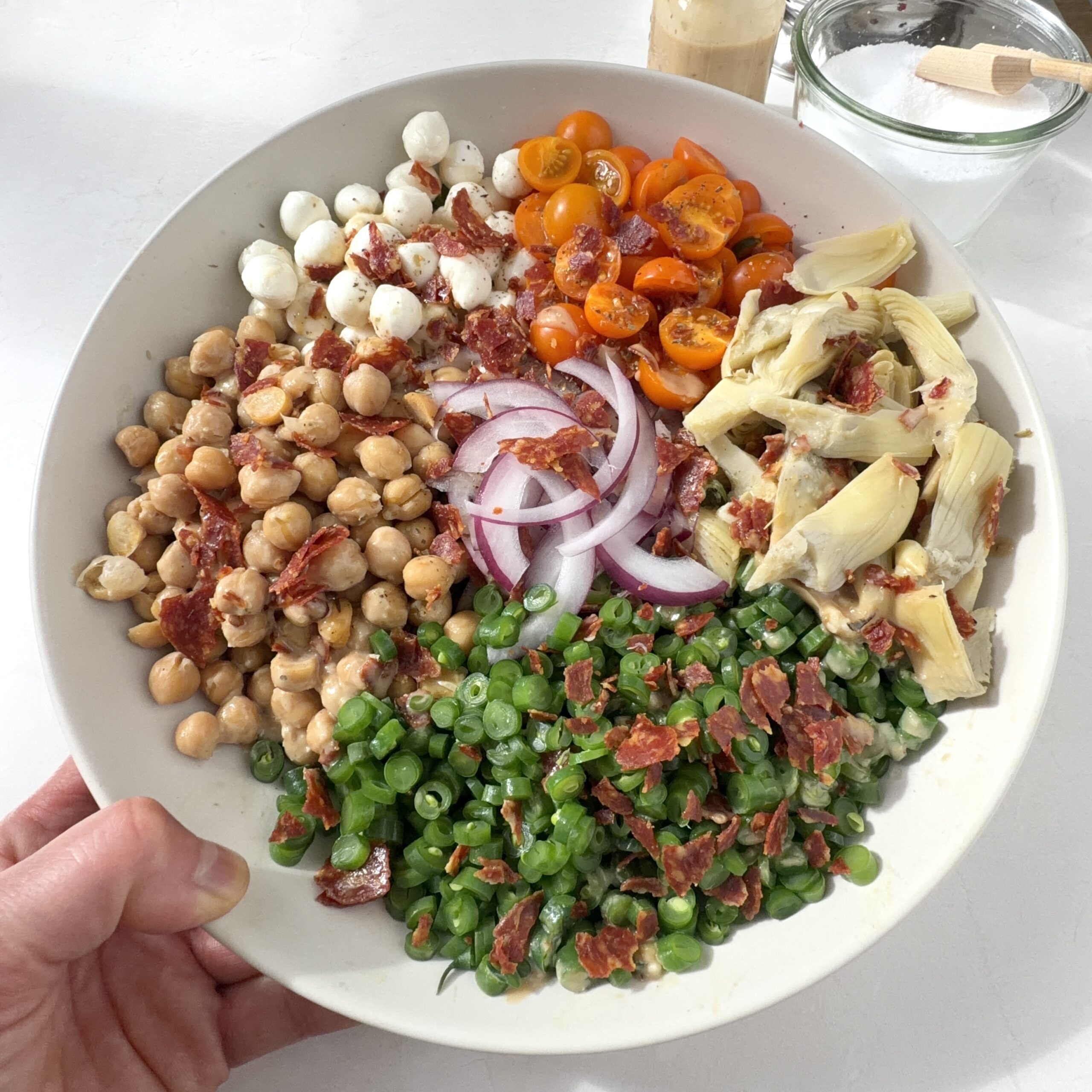
My favorite use is in salad dressings. That sweet-tart pomegranate flavor is fantastic when you want acidity and fruitiness without adding another whole ingredient to the salad. But don’t stop at salads.
Try pomegranate molasses:
- Drizzled over roasted vegetables
- As a finishing drizzle for savory dishes
- Poured into sparkling water for an easy mocktail
- Used anywhere you might use a balsamic glaze
- Drizzled over ice cream
How to Store Pomegranate Molasses
Once your pomegranate molasses has cooled, transfer it to a clean, airtight container and refrigerate it.
Because you’re concentrating the juice through cooking, it will keep much longer than the original juice, but it’s still a homemade product without the preservatives and processing of a commercial product. I recommend using clean utensils whenever you dip into the jar and keeping it refrigerated.
The Bottom Line
Making pomegranate molasses is one of those kitchen projects that sounds much more complicated than it actually is. Four cups of pomegranate juice. Lemon juice. Sugar. A simmer. About an hour. That’s really it.
The only part that requires a little patience is the reduction. Don’t rush it, and don’t rely solely on how the hot mixture looks. The frozen-plate test will tell you much more accurately when you’ve reached the consistency you’re after. And unless you already have a mountain of pomegranates sitting on your counter, buy the juice. Your future self will thank you.
How to Make Pomegranate Molasses (Easy Homemade Recipe)
Ingredients
4 cups unsweetened pomegranate juice
3 tbsp lemon juice
1/2 cup sugar
Directions
- Combine the pomegranate juice, lemon juice, and sugar in a 3-4 qt saucepan and bring it to a boil. Once it reaches a boil, whisk to dissolve the sugar completely, then reduce the heat to a simmer and let it cook for about 60 to 75 minutes. About 45 minutes into cook time, place a small plate, like a bread plate, into the freezer. To gauge pomegranate molasses doneness, drizzle a small amount of the pomegranate molasses onto the frozen plate. The pomegranate molasses should be thicker than maple syrup, but thinner than honey.
- Once cool, store homemade pomegranate molasses in a clean, airtight container in the refrigerator for up to one month.
Did you make this recipe?
Tag @thesaladwhisperer on Instagram and hashtag it with

Sarah Faris: The salad Whisperer
Sarah is a classically trained chef and Mom whose passion is spreading the gospel of salad. A native New Yorker, she now calls Miami, FL home.
Read more
Share this post:
Leave a Reply