



How to Prevent Pesto From Turning Brown- it’s so simple it hurts!
During the 15 years I spent in restaurant kitchens, many chefs acted as if keeping pesto bright green required some an elaborate culinary trick. I’d seen chefs add ice cubes. I’d seen basil leaves blanched and shocked. Others swore by adding lemon juice.
About eight or so years ago, I arrived at the conclusion that preventing pesto from turning brown is surprisingly simple. You don’t need ice cubes, lemon juice or a cauldron of bubbling water. You just need to keep the cut basil away from oxygen.
Why Does Pesto Turn Brown?
Pesto turns brown because of oxidation. The moment basil leaves are cut, bruised, or crushed, enzymes in the leaves react with oxygen in the air. That’s what causes the bright green color to darken. Most people assume the answer is adding something acidic like lemon juice, but in my experience that’s treating the symptom instead of solving the problem. The real key is minimizing the basil’s exposure to air in the first place.
The Method I Swear By:
This method isn’t traditional, and I know some purists will cringe, but after years in professional kitchens, I have learned that sometimes practical beats traditional. Instead of throwing everything into a food processor and hoping for the best, I do the exact opposite.I pour all of the olive oil into a mason jar first. Then I add the basil gradually, blending with an immersion blender as I go.As each handful of basil enters the jar, it is immediately coated in oil. The freshly cut surfaces stay protected, dramatically slowing oxidation and keeping the pesto bright green. The result is vibrant, fresh-tasting pesto without any chef gymnastics.
The Biggest Mistake People Make:
The biggest mistake people make is using a food processor. I know that sounds controversial, but I stand by it. Food processors have wide bowls that expose lots of freshly cut basil to air. Every time you stop to scrape down the sides, you’re hastening the process by introducing even more oxygen to those bruised leaves. Before long, your pesto starts losing its vibrant color.
An immersion blender inside a narrow jar creates a completely different environment. The basil stays submerged, the surface area exposed to oxygen is minimized, and the pesto stays greener.
Can I Use a Top Loading Blender?
You can but it is not ideal. I caution against it because the motors of top loading blenders sit on the bottom, and sometimes when olive oil is heated as it blends, it will turn bitter because heat and blade shearing cause the oil to release its bitter phenols.
What About the Mortar and Pestle?
Traditionally, pesto is made with a mortar and pestle. My sister is a purist and swears by it. And honestly, if you enjoy the process, I say go for it. But for large batches, I don’t think it’s practical.
Ironically, crushing basil with a mortar and pestle can expose more cut surfaces to oxygen and increase browning. While the flavor can be fantastic, I find that my immersion blender method consistently produces brighter pesto with far less effort. Sometimes tradition deserves respect. And sometimes efficiency wins.
My Favorite Ingredients for Pesto:
Everyone has opinions about pesto. Here are mine.
- I Prefer Pecorino Romano because it is saltier and funkier than Parmigiano Reggiano. That sheep’s milk tang gives pesto more personality and helps balance the richness of the olive oil and pine nuts.
- I Prefer Italian Pine Nuts, if I can find them. This is the brand I use and I can only find them here in Florida at Publix or The Fresh Market. They are long, slender and have a buttery texture. Many pine nuts from China or Russia tend to be shorter and, in my opinion, have a slightly waxy quality that I don’t love.
I Like Pesto Somewhere Between Spoonable and Drizzleable:
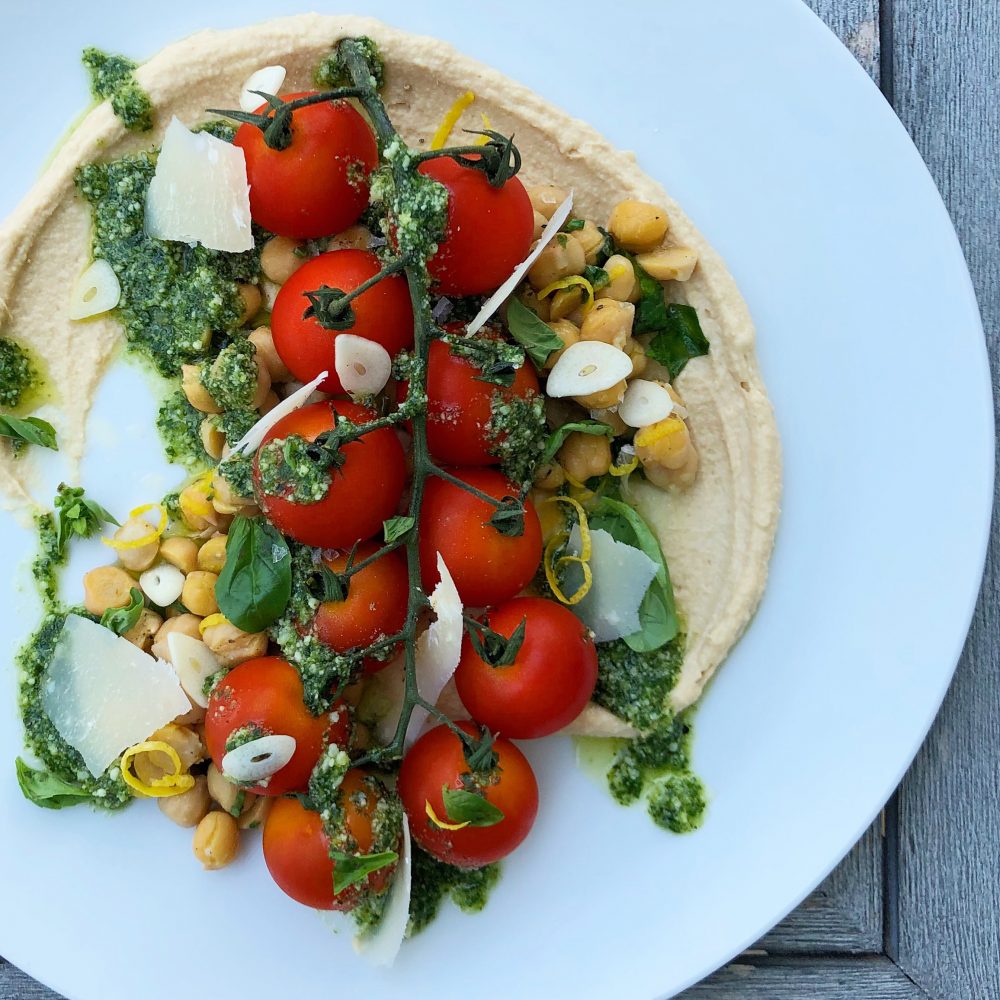
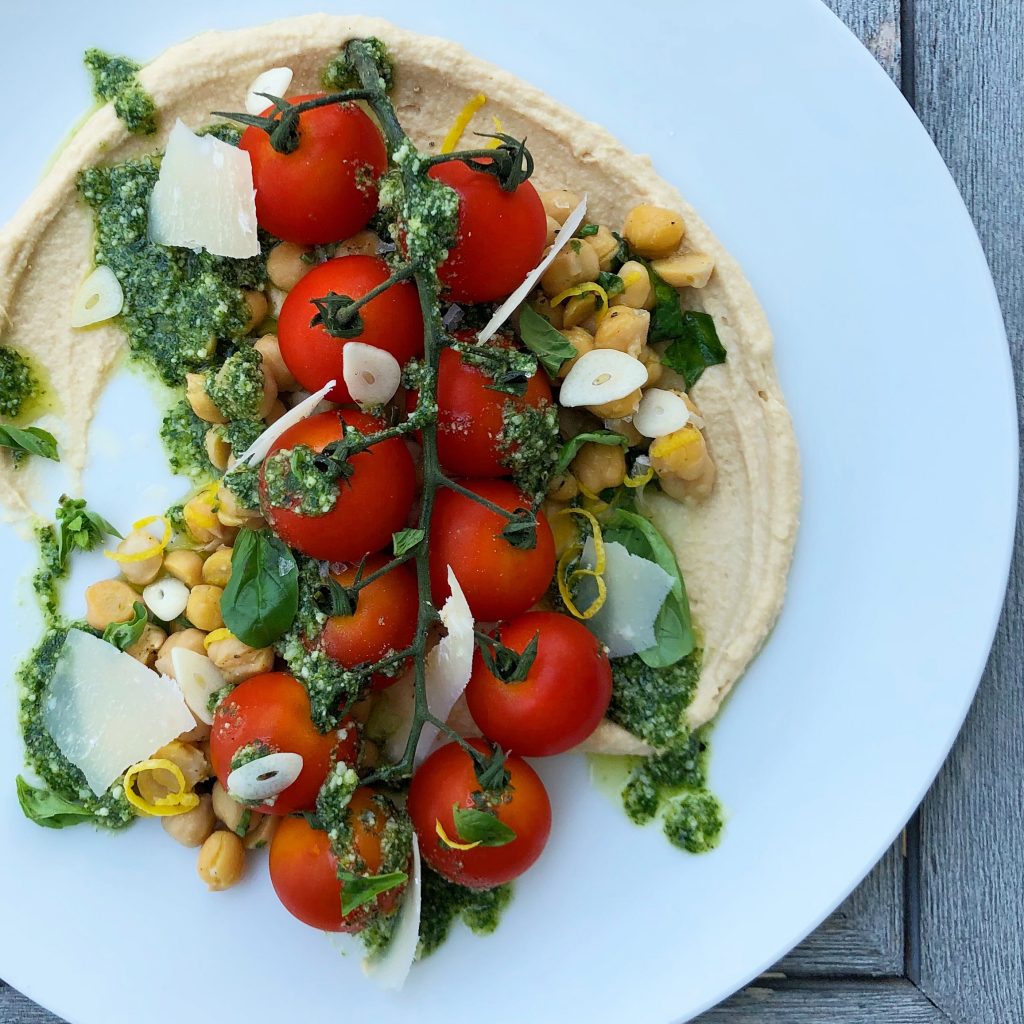
I don’t want pesto that sits on pasta like a lump. And I don’t want it so loose that it runs everywhere. I like it right in the middle. Thick enough to cling to pasta and vegetables, but fluid enough to drizzle over tomatoes, grilled chicken, or salad.
My Opinion After Years in Professional Kitchens:
I’ve spent enough time in restaurant kitchens to know that chefs love complicated solutions. But when it comes to pesto, you don’t need tricks. You just need to understand what causes basil to turn brown. Keep the leaves coated in oil. Minimize their contact with oxygen. Skip the food processor. And enjoy bright green pesto without making things harder than they need to be.
Foolproof Basil Pesto
6
servingsThere is nothing more embarrassing that inviting people over for dinner, only to watch helplessly as the pesto you painstakingly made in your mortar and pestle turns the color of a swamp. Follow this super easy recipe to the letter and you will be spared that fate.
Use a blender or immersion blender and tall receptacle for this recipe. A food processor creates too much surface area, which exposes basil to air, and turns pesto brown.
Ingredients
1/3 cup pine nuts
2/3 cup extra virgin olive oil
2 cloves garlic, smashed
2 cups basil leaves, clean and dry
1/3 cup grated Parmesan or Pecorino Romano cheese
3/4 tsp Kosher Salt
Directions
- Toast the pine nuts by placing them in a 10 inch sauté/fry pan over medium heat. When the pine nuts become fragrant, move the pan off the burner and gently shake, swirling the pine nuts around the hot pan. Place the pan back on the burner for appx. 15-20 seconds, before removing and shaking again. Repeat the process, taking care not to let the pine nuts burn. Let the pine nuts cool while proceeding with the recipe.
- Place all of the olive oil into a pint sized mason jar or the carafe that came with your immersion blender. Add the garlic and only 1/3 of your basil leaves. Submerge your basil completely with the olive oil and blend. Add another third of your basil, submerge completely with the oil and blend. Repeat with the remaining basil. Add the pine nuts and pulse until incorporated into the basil puree. By hand, stir in grated cheese and kosher salt. Store in a small sealed container, with plastic wrap flush against the exposed surface of the pesto. Pesto is best consumed within 3-4 days, or can be frozen.
Equipment
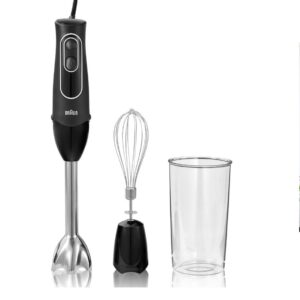
 Braun Immersion BlenderBuy Now!
Did you make this recipe?
Tag @thesaladwhisperer on Instagram and hashtag it with

Sarah Faris: The salad Whisperer
Sarah is a classically trained chef and Mom whose passion is spreading the gospel of salad. A native New Yorker, she now calls Miami, FL home.
Read more
Share this post:
Leave a Reply